Techniques for Building a Community Workshop
Creating a community workshop can be an enriching experience for a variety of DIY enthusiasts. However, it requires thoughtful planning and execution to ensure it meets the needs of its members. This article explores practical techniques to establish an effective community workshop.
Understanding the Basics of Community Workshops
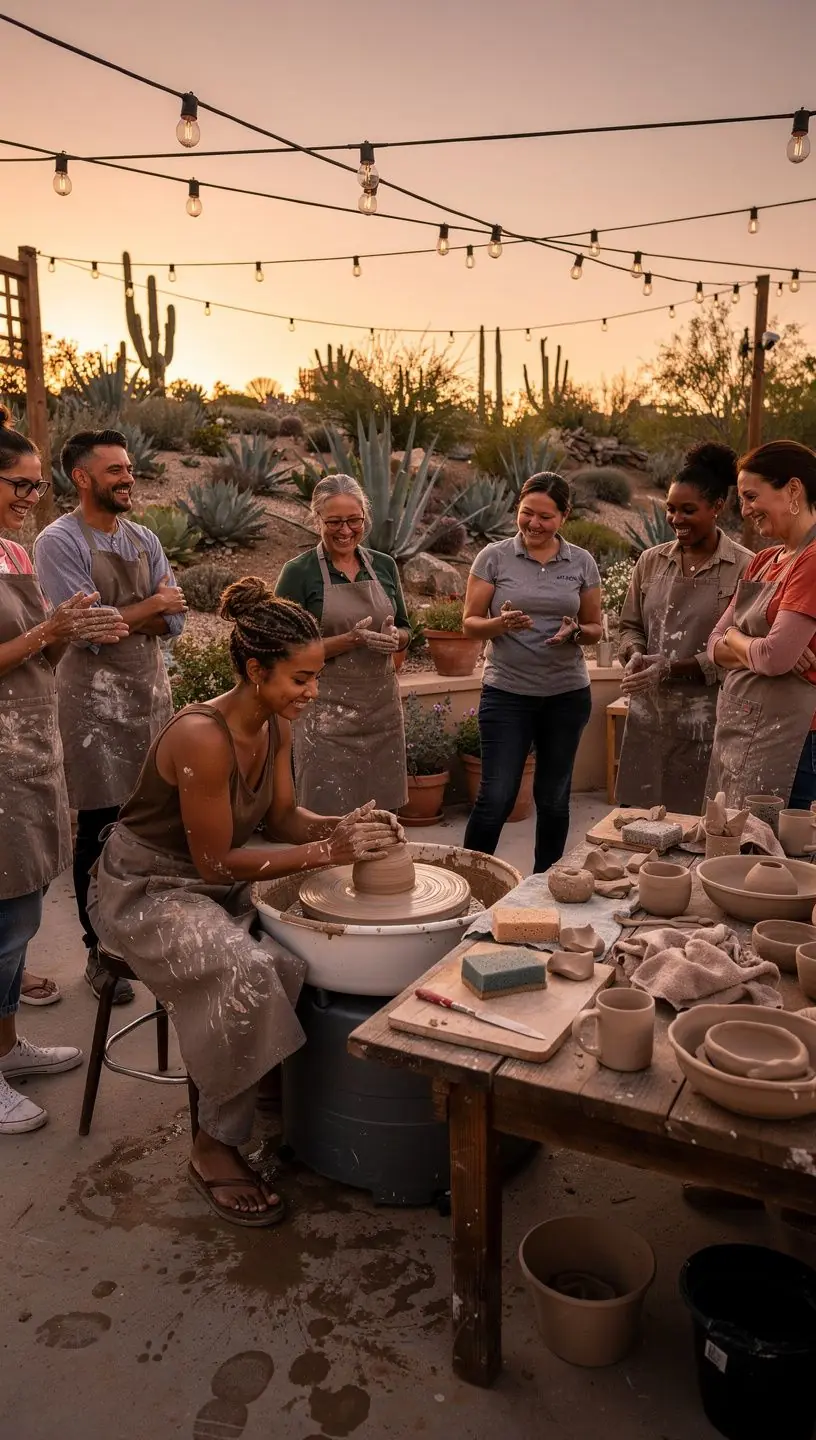
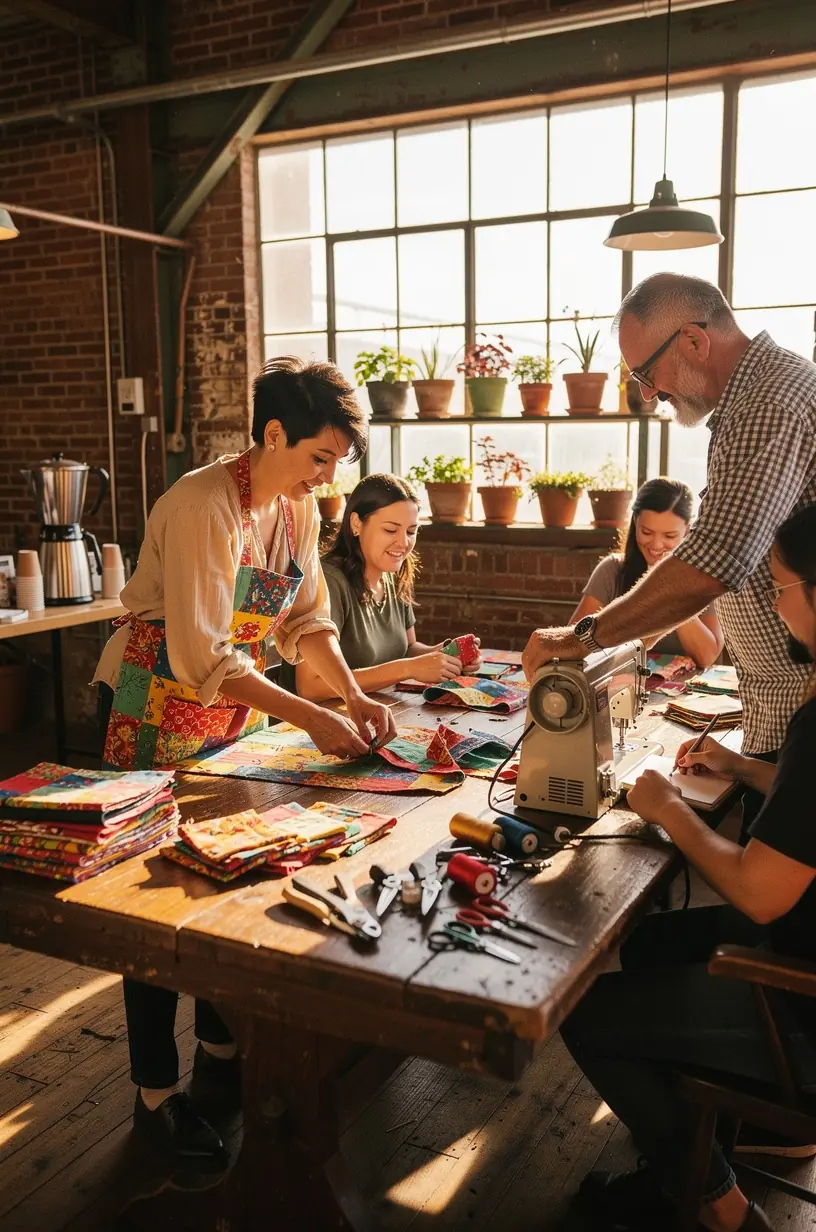
Community workshops function as collaborative spaces where individuals can share resources, skills, and ideas. According to research conducted by the National Endowment for the Arts, community engagement in creative activities can foster a sense of belonging and improve mental well-being. This works because the sharing of knowledge and resources cultivates a supportive atmosphere conducive to learning.
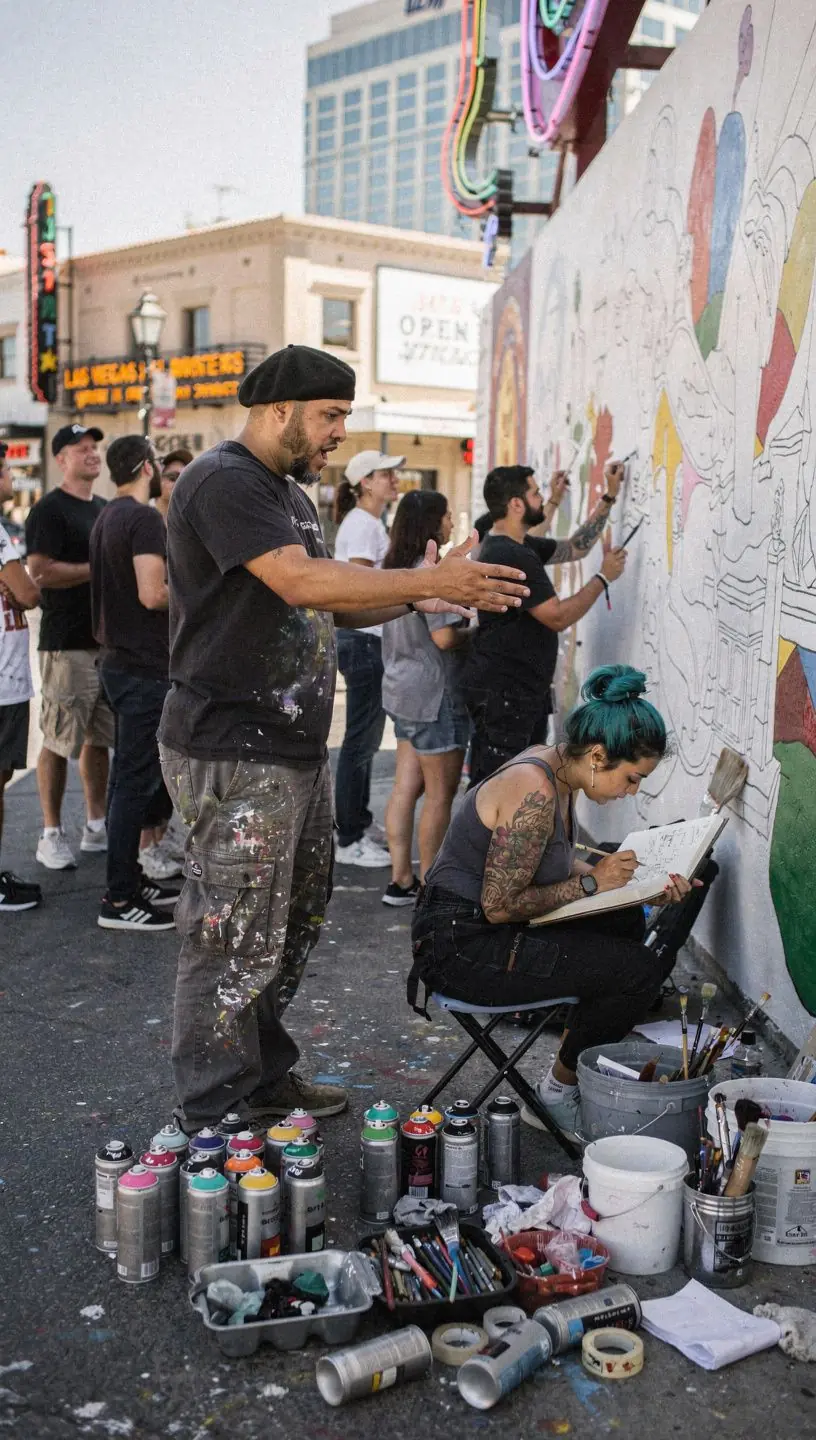
"Community workshops enhance social connections and promote creative growth among participants." - Experts in community development
Key Techniques for Building a Successful Workshop
-
Define Your Mission:
Having a clear mission helps in aligning the workshop's focus. According to studies by Community Tool Box, a defined mission can guide decision-making and attract a like-minded membership base. Consider what crafts or skills you want to emphasize and how they can benefit the community.
-
Assess the Space:
Choosing the right location is crucial. Research suggests that a space that accommodates diverse activities can maximize participation. Ideally, your workshop should have areas for crafting, meetings, and socialization, allowing for a versatile experience.
-
Foster Networking Opportunities:
Workshops thrive on community interaction. Organizing regular meetups or project showcases can enhance engagement. Many users report that networking opportunities have led to valuable collaborations and skill-sharing.
Providing Mentorship and Learning Opportunities
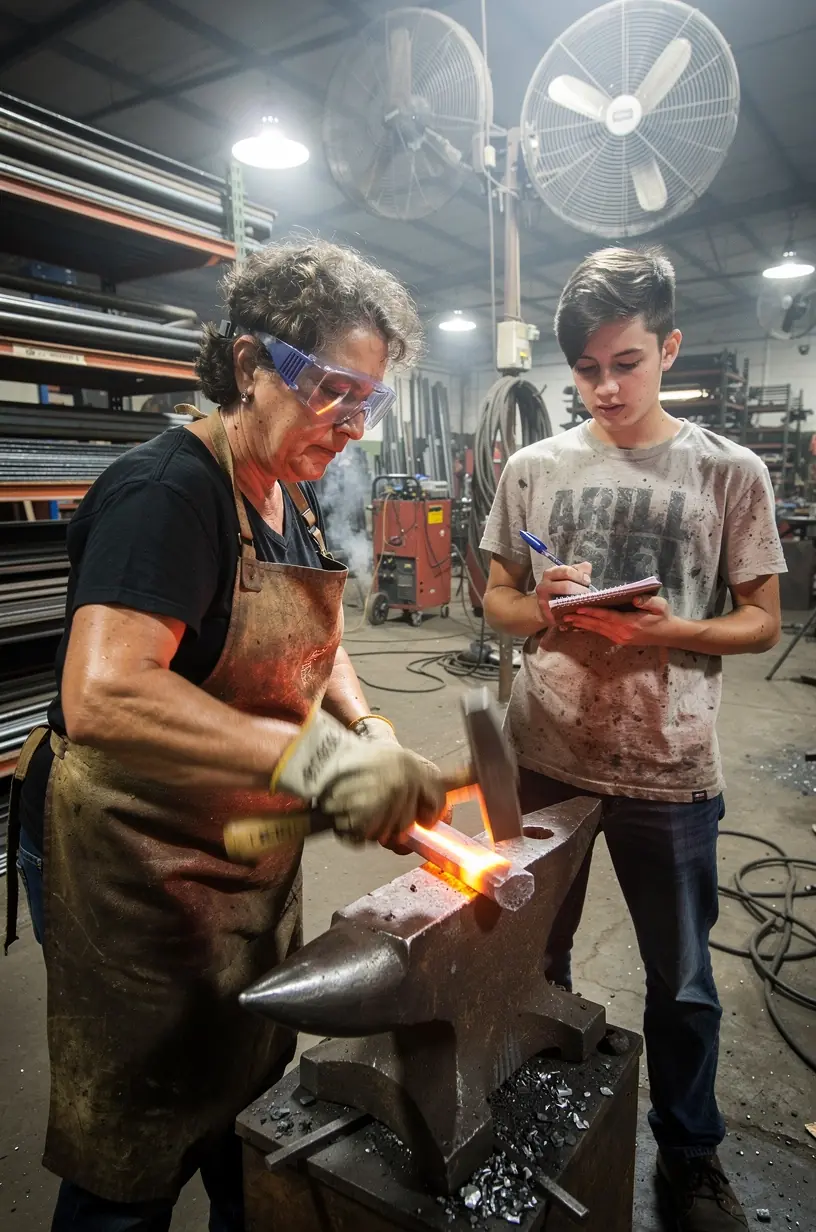
Involving experienced crafters as mentors can significantly enhance the workshop's value. According to industry experts, mentorship can improve skills effectively and create lasting connections among participants. Here’s how to integrate mentoring into your community workshop:
- Invite Local Experts: Local artisans can offer workshops or classes, providing their expertise while also promoting your workshop.
- Establish a Mentorship Program: Pairing novices with seasoned crafters can create a supportive learning environment. This approach often results in improved skills and higher member retention.
- Encourage Peer Learning: Research indicates that peer-led learning can be particularly effective in community settings, where participants often feel more comfortable sharing knowledge.
Acknowledging Limitations and Setting Realistic Expectations
Building a community workshop takes time and dedication. Typically, you may expect to see initial results within 3-6 months, but establishing a strong sense of community can take longer. Be prepared for a learning curve, as not all activities or strategies will work for every group.
Conclusion
Creating a community workshop is an exciting venture that requires a blend of planning, flexibility, and community engagement. By implementing these techniques—defining your mission, assessing your space, fostering networking opportunities, and providing mentorship—you can cultivate a supportive and thriving environment for DIY enthusiasts. Remember, the goal is to promote collaboration and learning, which will ultimately lead to a fulfilling experience for all members.