How to Foster Creativity in Group Settings
Fostering creativity in group settings can be a rewarding yet complex endeavor. By understanding the principles behind collaborative creativity and utilizing effective strategies, you can create an environment that inspires innovation and engagement among participants.
Understanding the Basics
Collaborative creativity thrives on the interaction of diverse perspectives. According to research conducted by the Journal of Creative Behavior, groups that embrace a variety of viewpoints often generate more innovative solutions. This works because different experiences and knowledge bases can lead to unique ideas that may not emerge in a more homogenous setting.
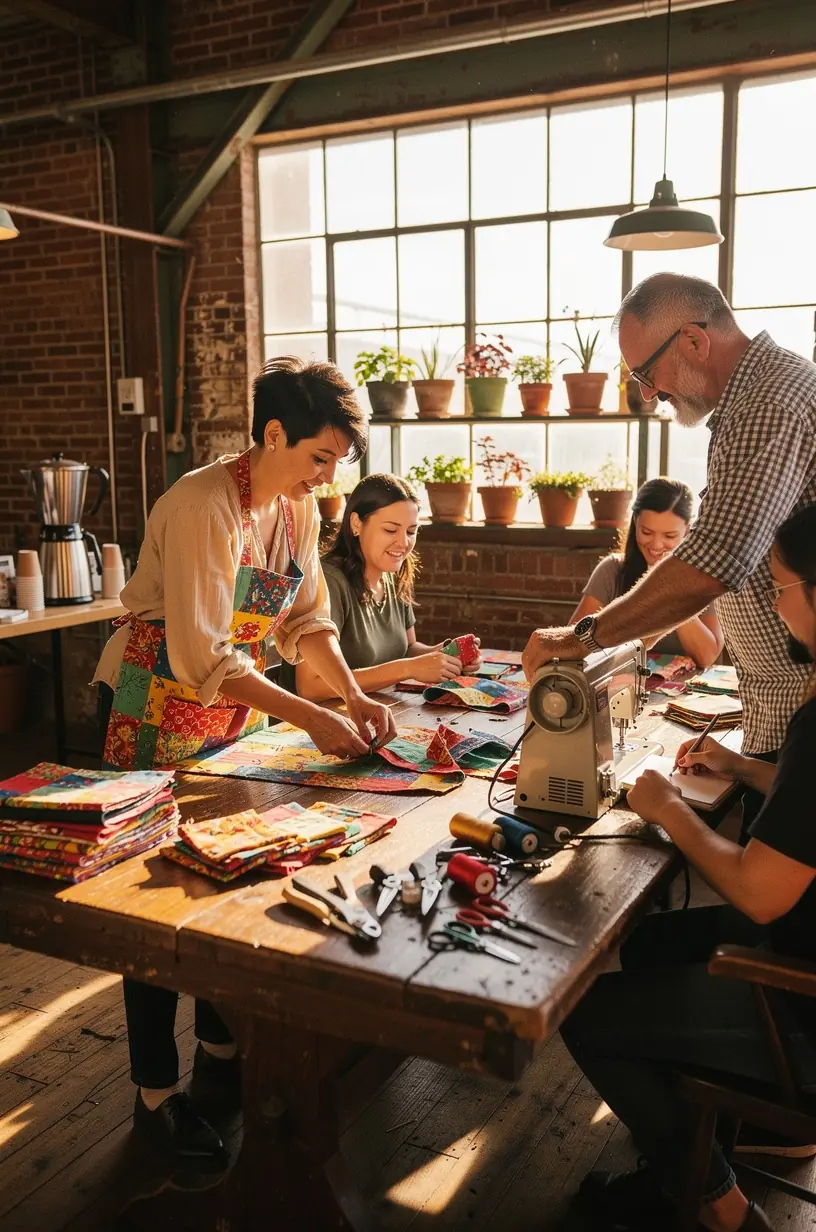
"Diversity in group settings leads to a more robust pool of ideas and solutions." - Journal of Creative Behavior
Practical Application
Implementing effective strategies to encourage group creativity typically involves several key practices:
- Create a Safe Space: Establish an environment where participants feel comfortable expressing their ideas without fear of judgment. Experts recommend using icebreakers and team-building exercises to build trust, which typically takes about 20-30 minutes.
- Encourage Diverse Input: Actively seek contributions from all group members. Research indicates that groups that implement structured brainstorming techniques can improve participation by 40-60%, as these practices help to ensure everyone’s voice is heard.
- Rotate Roles: Allow participants to assume different roles during discussions. This approach not only fosters engagement but also helps members appreciate diverse viewpoints, which can lead to richer discussions and more creative outcomes.
Long-Term Strategies
To cultivate ongoing creativity in group settings, consider these additional strategies:
- Regular Check-Ins: Schedule frequent sessions where group members can share ideas and provide feedback. Experts suggest these should occur at least once a month to maintain momentum.
- Offer Mentorship: Providing access to mentors who can guide group members through creative processes can significantly enhance the quality of outputs. This requires commitment to regular mentoring sessions, which typically take 1-2 hours each.
- Assess and Reflect: Periodically evaluate the creative processes and outcomes within the group. This practice helps identify what works well and what can be improved. Feedback sessions should ideally be part of the group's routine, requiring a small investment of time with high potential returns.
Conclusion
Fostering creativity in group settings is an effective approach to enhance collaboration and innovation. While it may require time and effort to create the right environment, the potential benefits—richer ideas, improved problem-solving, and increased engagement—are well worth it. Remember, a commitment to diversity, structured approaches, and ongoing mentorship can significantly bolster creative output in any group setting.