The Importance of Skill Sharing in DIY Projects
In the world of DIY projects, skill sharing can play a crucial role in enhancing creativity and productivity. This article explores how collaborative environments, like DIY hobby hubs, can facilitate the sharing of skills among crafters, leading to improved outcomes and a more enriching experience.
Understanding the Concept of Skill Sharing
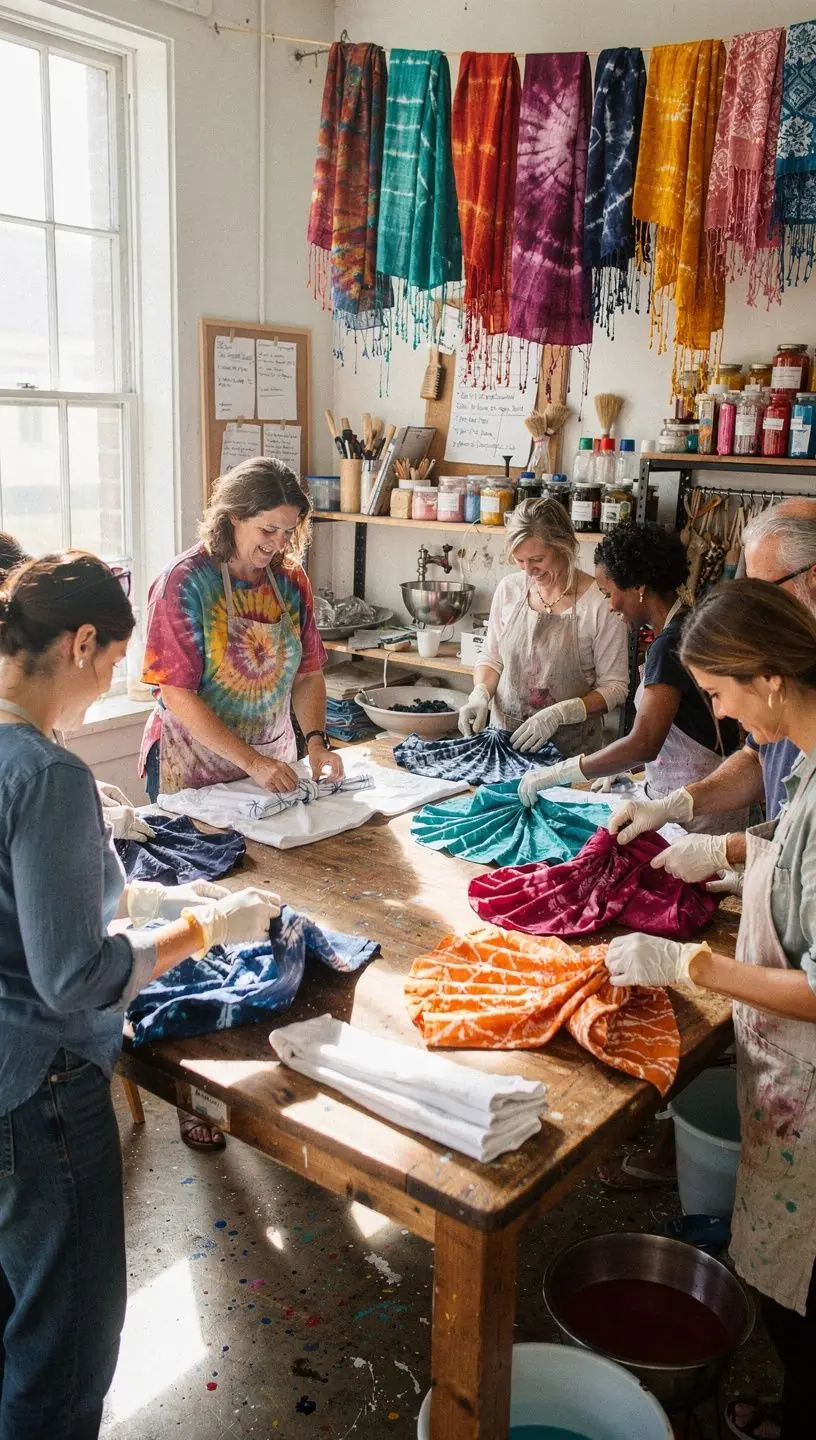
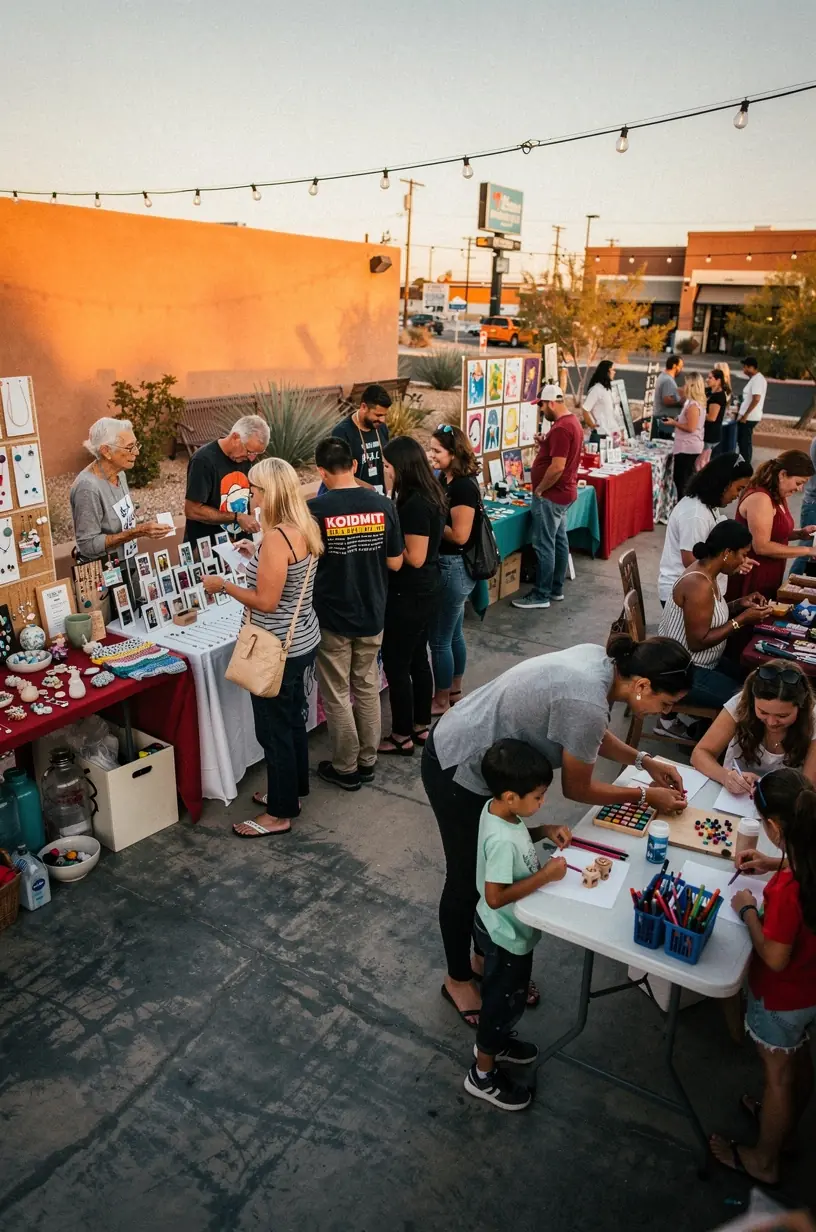
Skill sharing refers to the practice of exchanging knowledge and expertise among individuals. According to research by the National Endowment for the Arts, collaborative art-making, including crafts, often leads to higher satisfaction and a greater sense of community among participants. This collaborative approach typically fosters an environment where individuals can learn from each other, which is particularly beneficial in DIY projects.
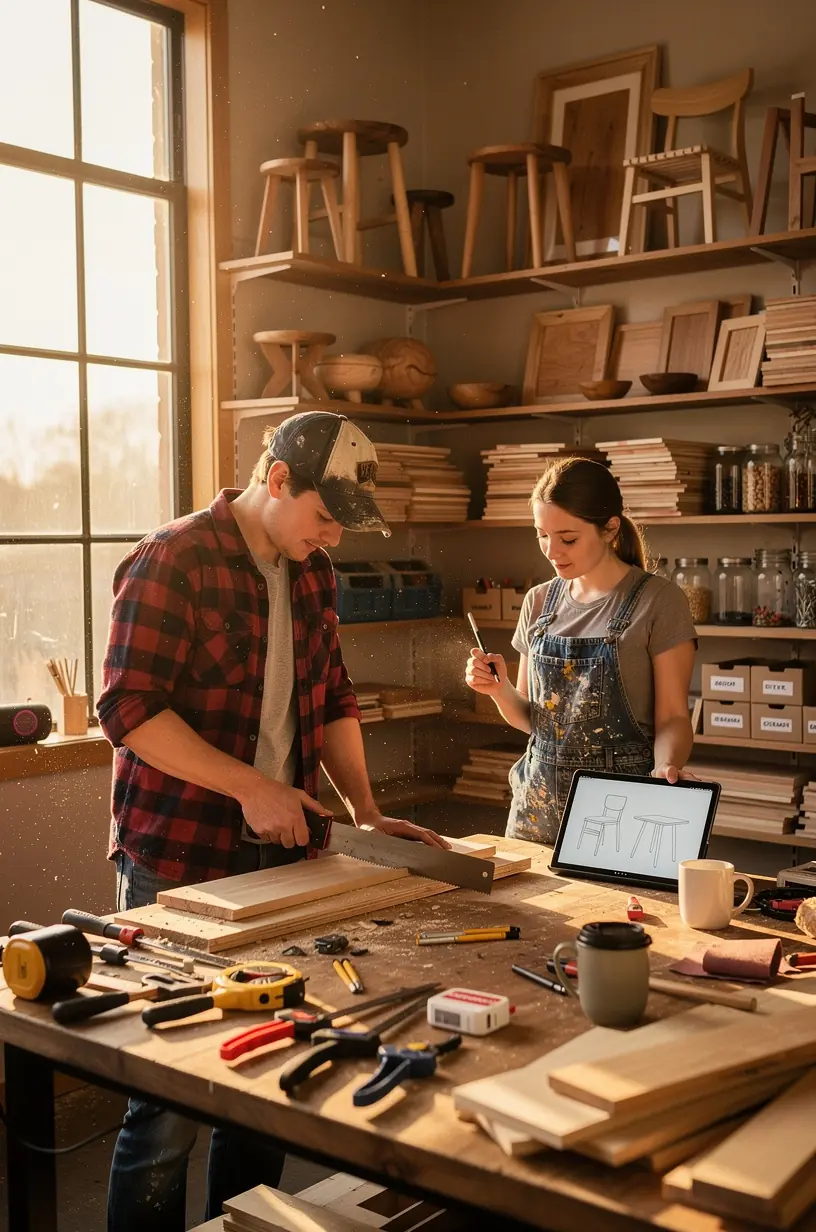
"Collaboration enhances creativity and innovation, as it allows individuals to draw on a wider range of experiences and ideas." - Research from the Journal of Creative Behavior
Benefits of Skill Sharing in DIY Projects
- Enhanced Learning: When individuals share skills, they often explain techniques and processes that may not be intuitive. This method can make learning more effective, as many users report that hands-on instruction is more memorable than theoretical learning.
- Increased Motivation: Working with others typically boosts motivation. According to a study by Harvard Business Review, people are often more driven to complete projects when they know they are accountable to peers.
- Resource Optimization: Skill sharing can lead to sharing tools and materials, which often results in cost savings. Many DIY enthusiasts find that pooling resources not only reduces expenses but also encourages innovation as new ideas emerge from collaboration.
How to Effectively Implement Skill Sharing in Your DIY Space
Implementing skill sharing in a DIY hub often starts with establishing a structured approach. Here are some steps you can take:
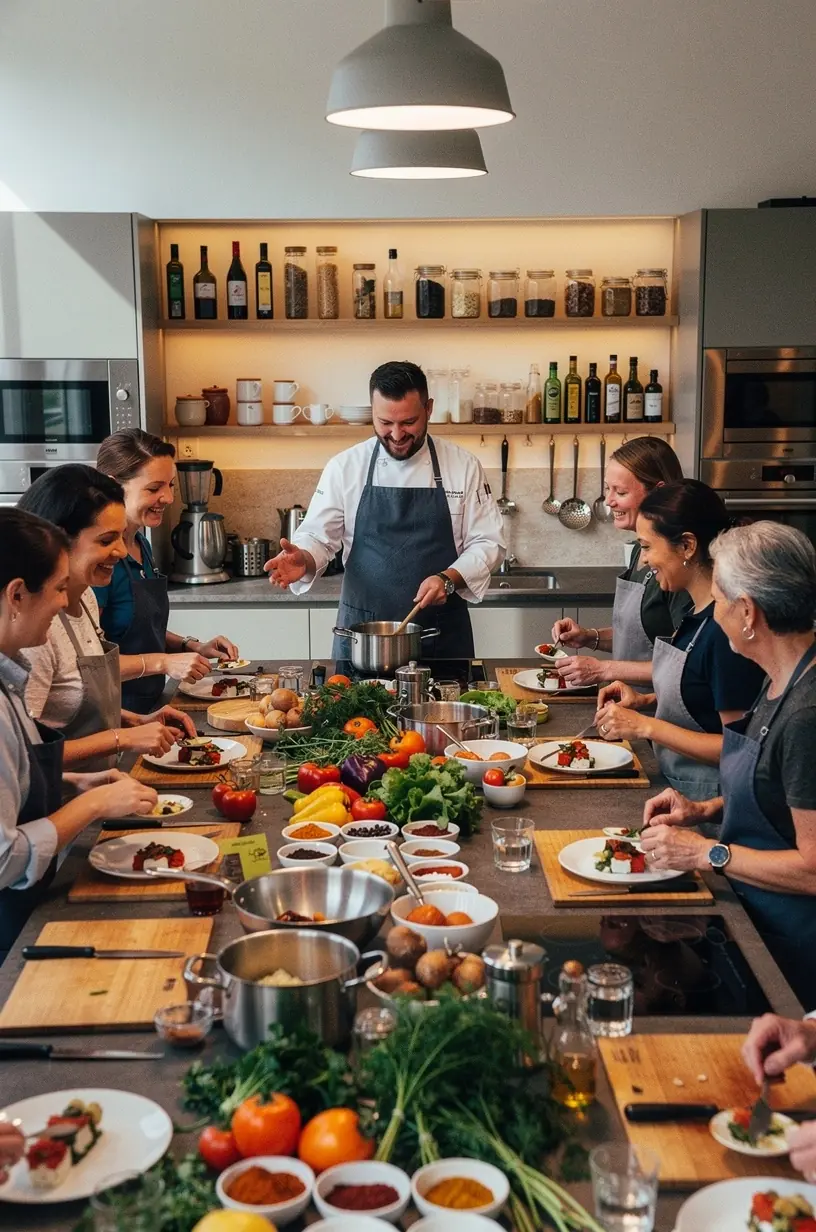
- Organize Workshops: Consider hosting regular workshops where members can teach a specific skill. This not only builds community but also sets a precedent for knowledge exchange.
- Create a Mentorship Program: Pair more experienced crafters with beginners. Industry experts suggest that mentorship can significantly enhance skill acquisition.
- Encourage Open Communication: Foster an environment where individuals feel comfortable sharing their ideas and feedback. This collaborative dialogue can be key to successful skill sharing.
Acknowledging Limitations
While skill sharing can be incredibly beneficial, it is important to acknowledge certain limitations. For instance, some individuals may require more time to grasp complex skills, which can typically take several weeks of practice. Additionally, not all techniques are suitable for every skill level, meaning that workshops should be tailored to accommodate varying competencies.
Conclusion
Skill sharing is an effective approach to enhancing the DIY experience, benefiting both individuals and the community as a whole. By creating inclusive environments where skills can be exchanged, DIY hobby hubs can foster creativity, motivate participants, and optimize resources. Remember, while the journey of learning may take time and dedication, the rewards of collaborative crafting are well worth the effort.