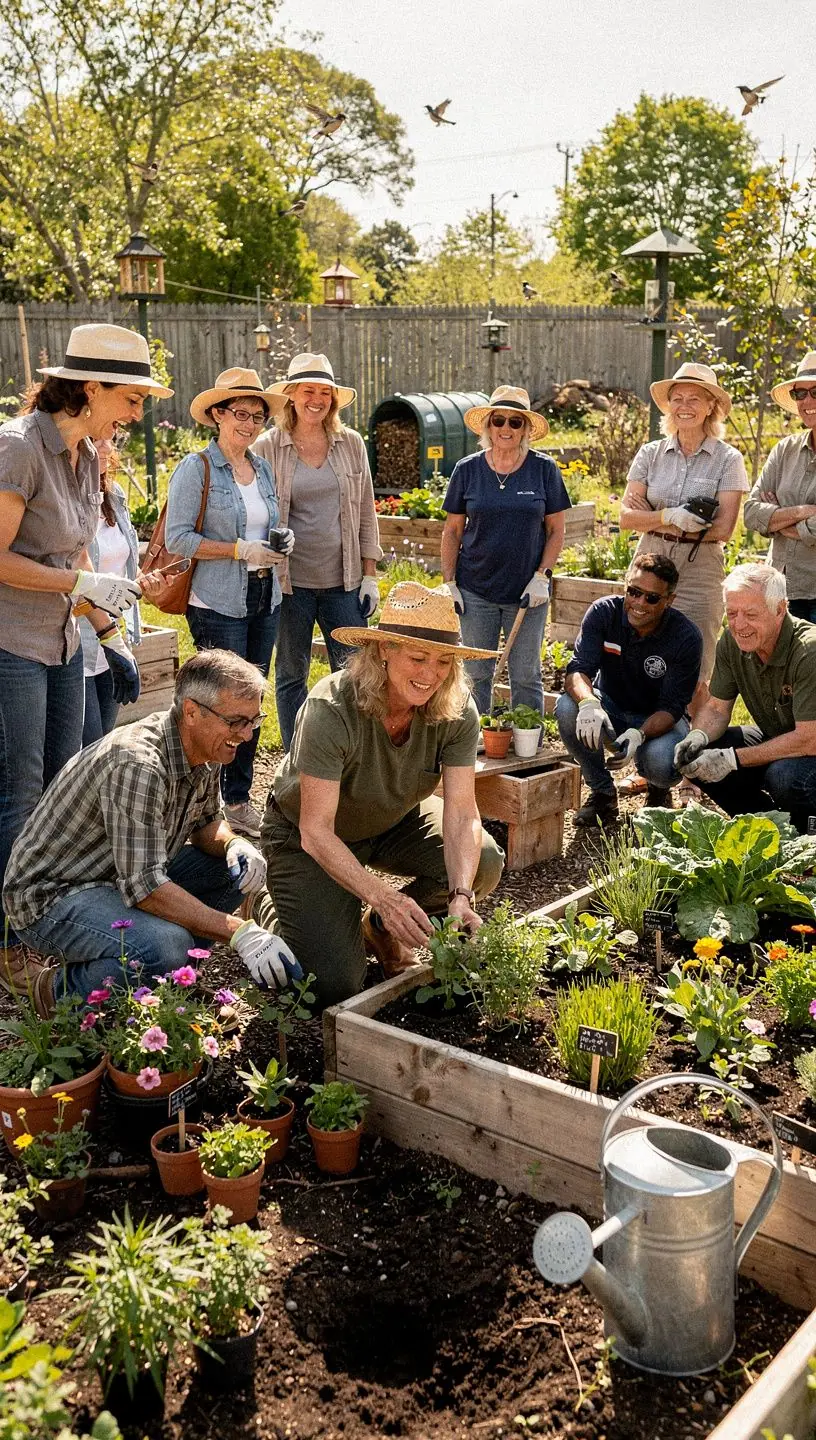
Practical Guide to Managing Community Craft Events
Craft events can be a wonderful way to bring local artisans together while providing a platform for creativity and collaboration. This guide offers a practical approach to organizing community craft events, focusing on effective management techniques and best practices.
Understanding the Basics
Successfully managing a community craft event begins with a clear understanding of its objectives. According to experts in community engagement, events should not only foster creativity but also build relationships among participants. This approach creates a supportive atmosphere where attendees can share ideas and skills.
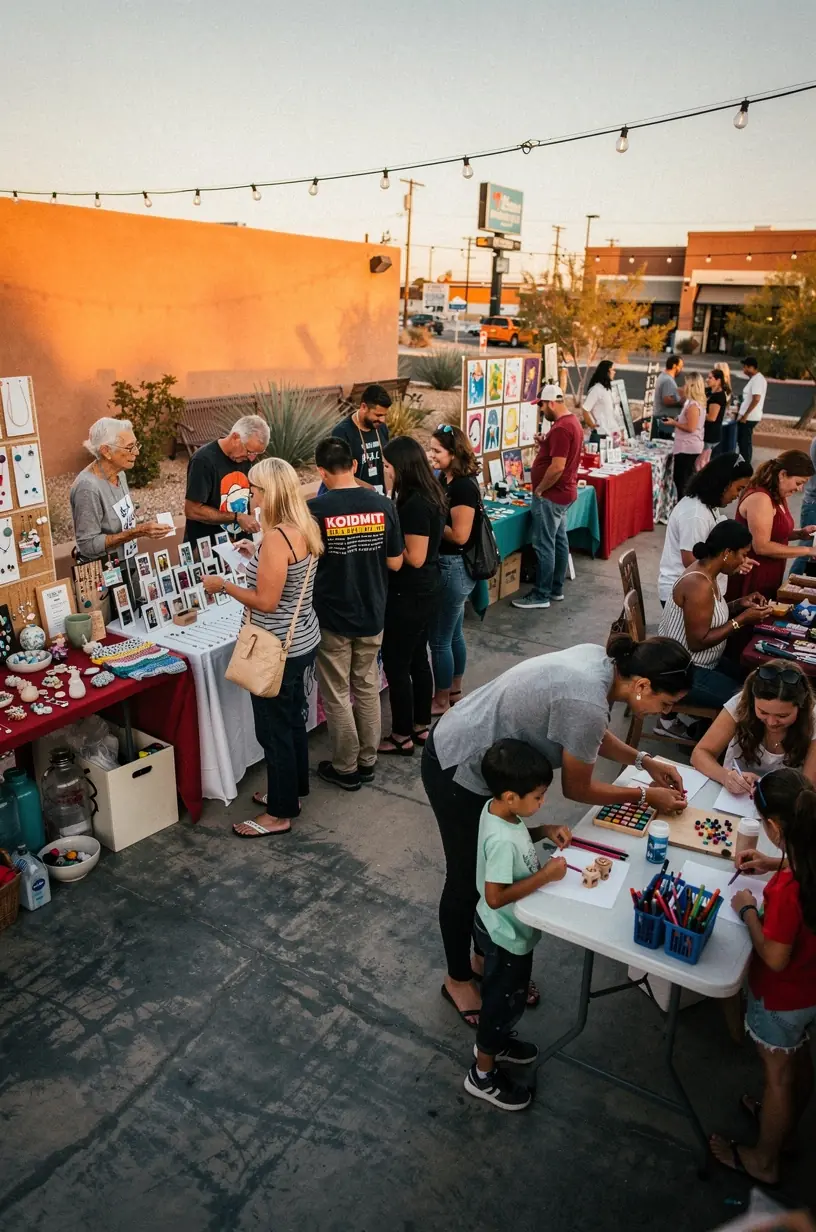
"Craft events provide an excellent opportunity for local artisans to connect, learn from each other, and inspire creativity." - Community Engagement Specialist
Planning Your Event
Effective planning is crucial for the success of any craft event. Here are some key steps to consider:
- Define Your Objectives: Clarifying the purpose of the event can guide your planning process. Whether it’s skill-sharing, product promotion, or community building, having a focused goal helps streamline efforts.
- Determine the Logistics: Choose a location that is accessible and large enough to accommodate your expected attendees. Industry standards suggest allowing approximately 10 square feet per participant for crafting space.
- Create a Budget: Outline all potential costs including venue rental, materials, and marketing. Many organizers find that setting aside about 20-30% of the budget for unexpected expenses is prudent.
Engagement and Execution
Once the planning stage is complete, the next step is engaging participants effectively:
- Promote the Event: Utilize various platforms like social media and local community boards to spread the word. Research indicates that multi-channel promotion can increase attendance by up to 50%.
- Facilitate Skill-Sharing: Encourage participants to share their skills through workshops or demonstrations. This collaborative approach not only enhances learning but fosters a sense of community.
- Provide Support: On the day of the event, ensure that there are enough volunteers to assist participants. Research shows that having designated helpers can improve participant satisfaction significantly.
Acknowledging Challenges
It’s important to be aware of possible challenges. Community events can sometimes face low attendance or logistical issues. According to studies on event management, these situations can typically be improved with effective communication and adaptive strategies. For instance:
- Be flexible with your schedule—allow time for improvisation based on participant interests.
- Gather feedback post-event to identify areas for improvement in future gatherings.
Conclusion
Managing community craft events can be both rewarding and challenging. By establishing clear objectives, planning thoughtfully, and engaging participants meaningfully, organizers can create successful events that inspire creativity and build community bonds. Remember, while challenges may arise, a proactive approach can significantly enhance the experience for all involved. Aim for continuous improvement and don’t hesitate to adapt strategies based on participant feedback and engagement levels.
Learn More