How to Create a Collaborative Crafting Space
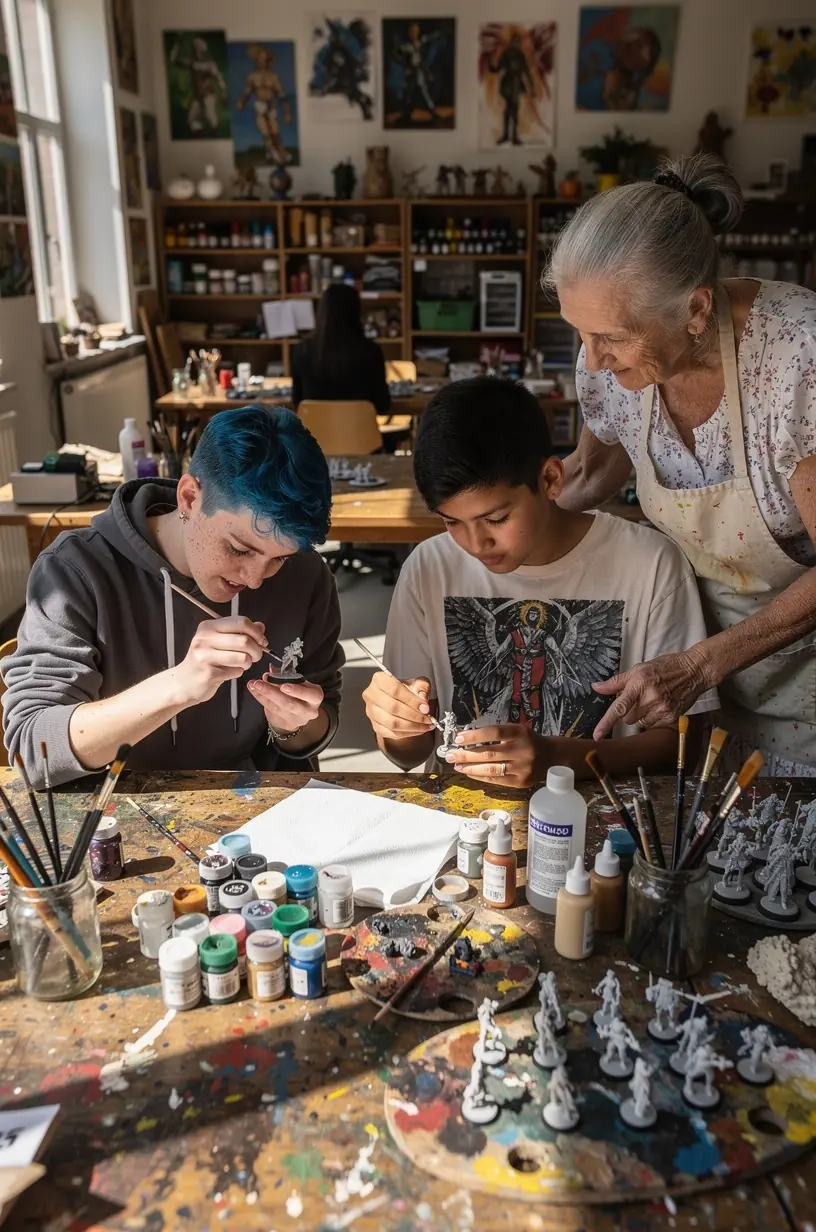
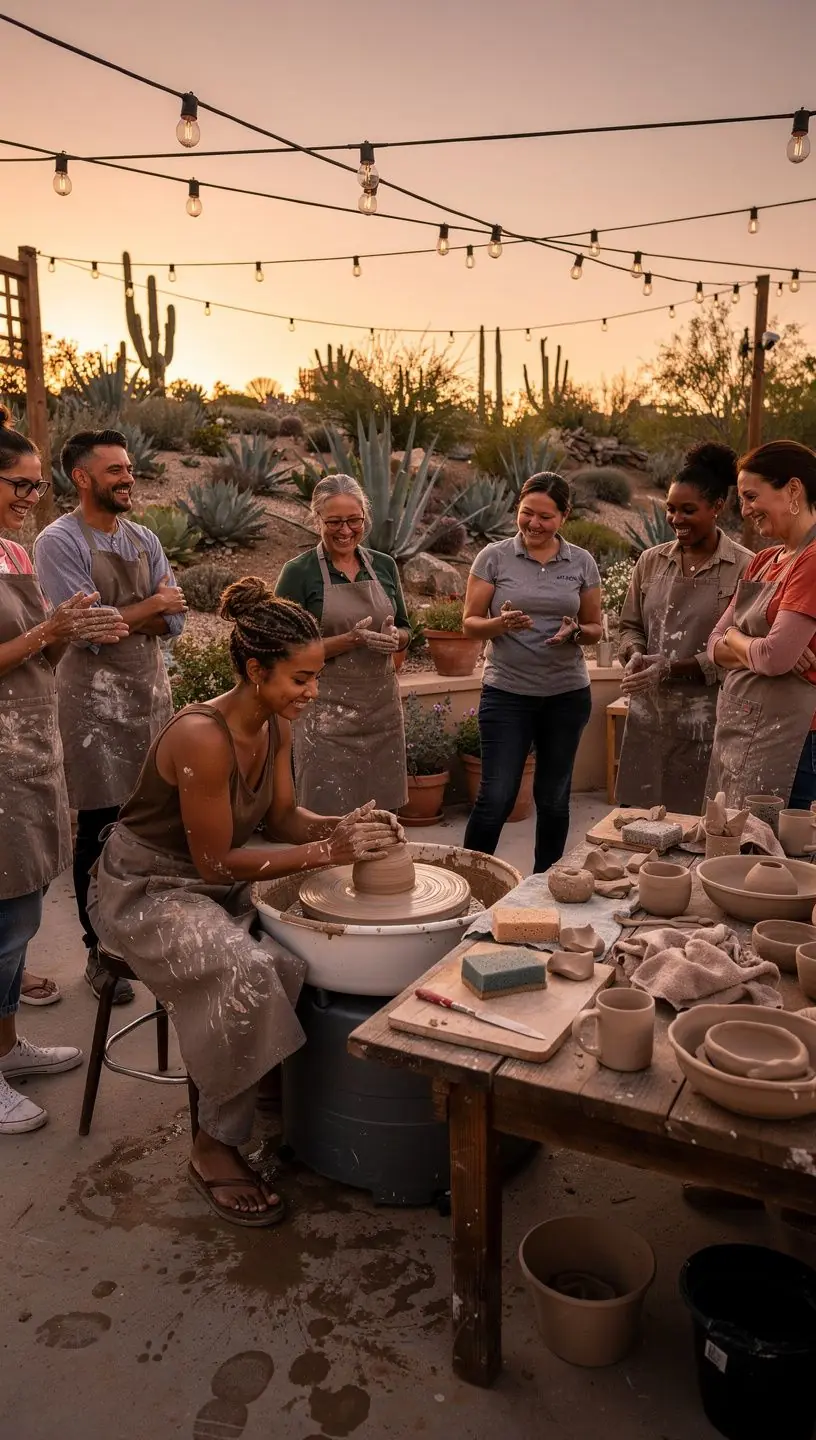
Creating a collaborative crafting space can enrich your community and enhance the crafting experience for participants. This article provides practical insights into setting up an effective space that encourages creativity and collaboration.
Understanding the Basics
According to studies, collaborative workspaces can significantly enhance creativity and productivity among users. A well-organized crafting space promotes interaction, which is often a catalyst for innovation. Experts recommend involving potential users in the planning process to better understand their needs and preferences.
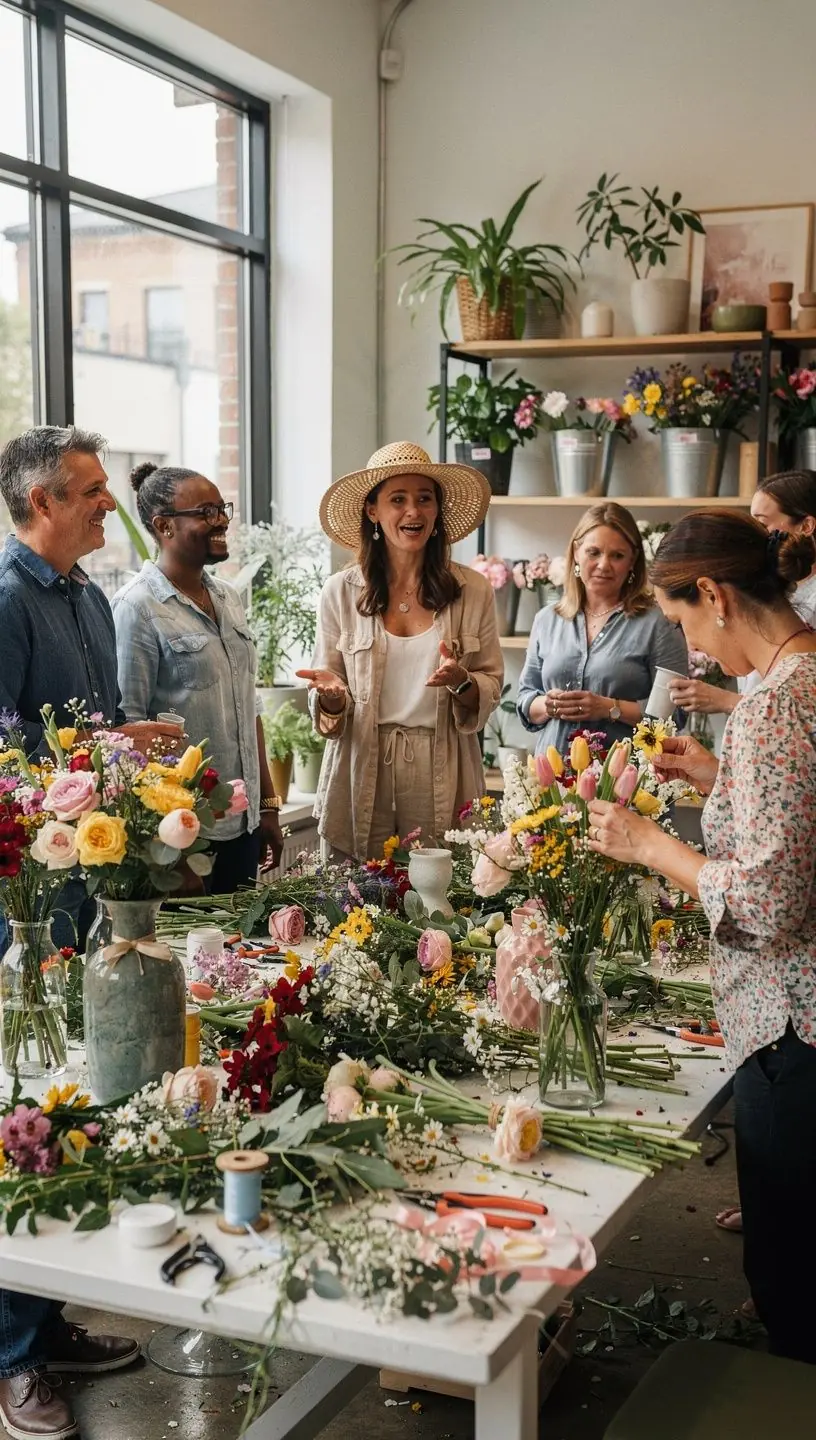
"A collaborative environment can lead to increased creativity, as individuals share ideas and techniques." - Industry Expert
Key Elements of a Collaborative Crafting Space
When designing your crafting space, consider the following essential elements:
- Workspace Layout: An open layout typically works best, allowing for free movement and interaction. Arrange tables in a way that encourages people to engage with one another.
- Tools and Materials: Stock a variety of tools and supplies. Research indicates that having diverse materials can inspire creativity and experimentation.
- Community Engagement: Host regular events or workshops that invite local artisans and mentors. Engaging the community can foster a sense of belonging and enhance the overall experience.
Practical Steps to Set Up Your Space
Here are some actionable steps to create your collaborative crafting hub:
- Assess Your Space: Evaluate the area you have available. This typically involves measuring the space to ensure you can accommodate different crafting activities.
- Gather Feedback: Before you start, gather input from potential users regarding their interests and needs. This can help tailor your space to be more effective.
- Plan Your Layout: Consider using modular furniture that can be rearranged based on the activities planned. This flexibility may enhance user satisfaction and functionality.
- Implement a Scheduling System: Having a clear booking system for shared tools or workshop times can help manage usage and availability, making the space more organized and accessible.
- Foster an Inclusive Culture: Encourage collaboration and inclusivity by promoting a culture where all skill levels feel welcome. This can involve mentorship programs, where experienced crafters guide newcomers.
Acknowledge Limitations
Creating a collaborative crafting space typically requires a significant time investment, often taking 2-4 weeks to set up for optimal functionality. Moreover, it may involve a learning curve for both organizers and users, as they adapt to shared tools and practices.
Conclusion
In summary, establishing a collaborative crafting space can lead to enhanced creativity and community engagement. By prioritizing user input, thoughtful layout design, and inclusive practices, you can create an environment that encourages collaboration and innovation. Remember, while it may take time and effort to set up your space, the long-term benefits of a vibrant crafting community are often worth it.
Learn More