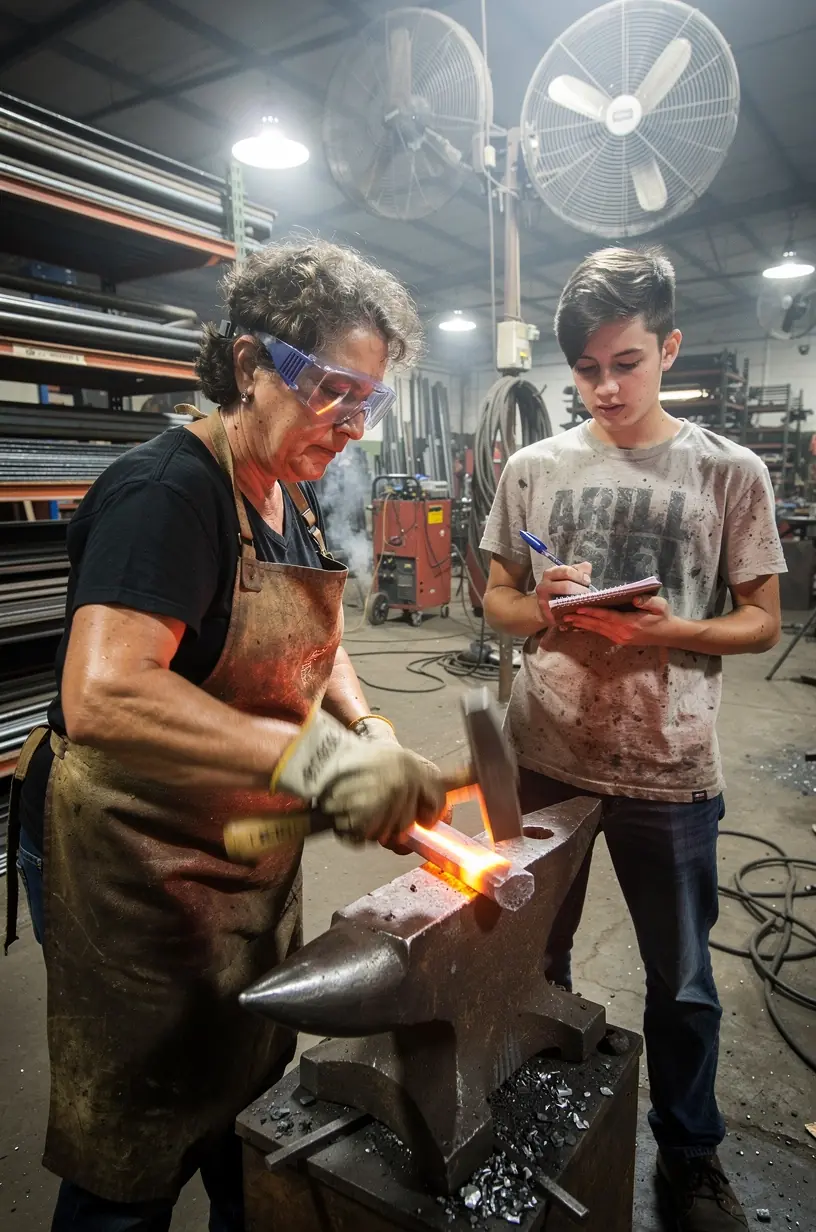
Practical Tips for Organizing Craft Workshops
Organizing a craft workshop can be an enriching experience, both for the host and participants. However, effective planning is essential to ensure that the event runs smoothly and achieves its goals.
Understanding the Basics
Before diving into the logistics, it's important to understand the foundational elements of a successful craft workshop. According to industry experts, a well-structured workshop typically includes a clear objective, adequate materials, and a conducive environment. This approach can enhance participant engagement and learning outcomes.
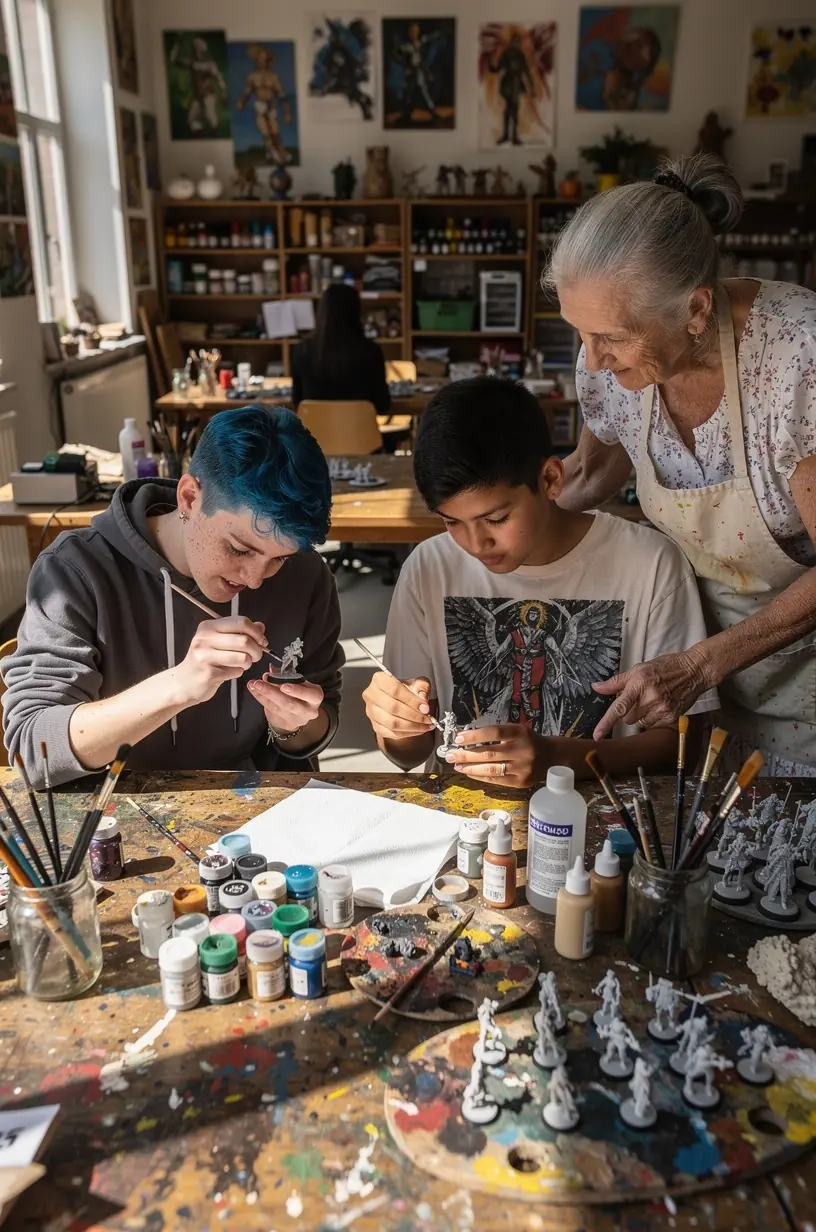
"A well-organized workshop not only fosters creativity but also builds community among crafters." - Craft Industry Association
Key Considerations for Organizing Craft Workshops
- Set Clear Objectives: Define what you want participants to learn or accomplish by the end of the workshop. This helps in selecting appropriate projects and materials.
- Choose Suitable Locations: Select a workspace that offers enough room for participants to work comfortably. Many users report that environments with ample natural light and ventilation enhance creativity.
- Gather Necessary Materials: Ensure all participants have access to the required tools and materials. Research indicates that workshops with comprehensive supply kits can reduce setup time and allow for more focus on crafting.
Engagement Strategies
Keeping participants engaged is crucial for a successful workshop. Studies show that interactive sessions, where participants can ask questions and share their ideas, help reinforce learning. Consider implementing the following strategies:
- Interactive Demonstrations: Incorporate live demonstrations to illustrate techniques. This works well as it allows participants to visualize the process and ask questions in real-time.
- Peer Learning Opportunities: Encourage participants to share their experiences or tips. Many users find that peer-to-peer interactions foster a supportive learning environment.
- Feedback Sessions: Organize brief feedback periods throughout the workshop. According to studies, constructive feedback can enhance motivation and help participants refine their skills.
Managing Time Effectively
Time management plays a significant role in the success of a workshop. It's essential to allocate time effectively for each activity while remaining flexible to the participants' needs. This requires careful planning, as workshops that are too rushed may leave participants feeling overwhelmed, while those that allow for adequate exploration can create a more fulfilling experience.
Conclusion
Organizing a craft workshop can be a rewarding venture that promotes creativity and community. By setting clear objectives, choosing the right location, gathering necessary materials, and employing engagement strategies, you can create an effective workshop that meets the needs of participants. Remember that real success comes from understanding your audience and being adaptable to their feedback.
Learn More