Encouraging Inclusivity in Crafting Spaces
Crafting can be a wonderful way to express creativity and connect with others. However, inclusivity in crafting spaces is vital for fostering a supportive community. This article explores strategies to create welcoming environments that embrace diverse individuals and skill levels.
Understanding the Importance of Inclusivity
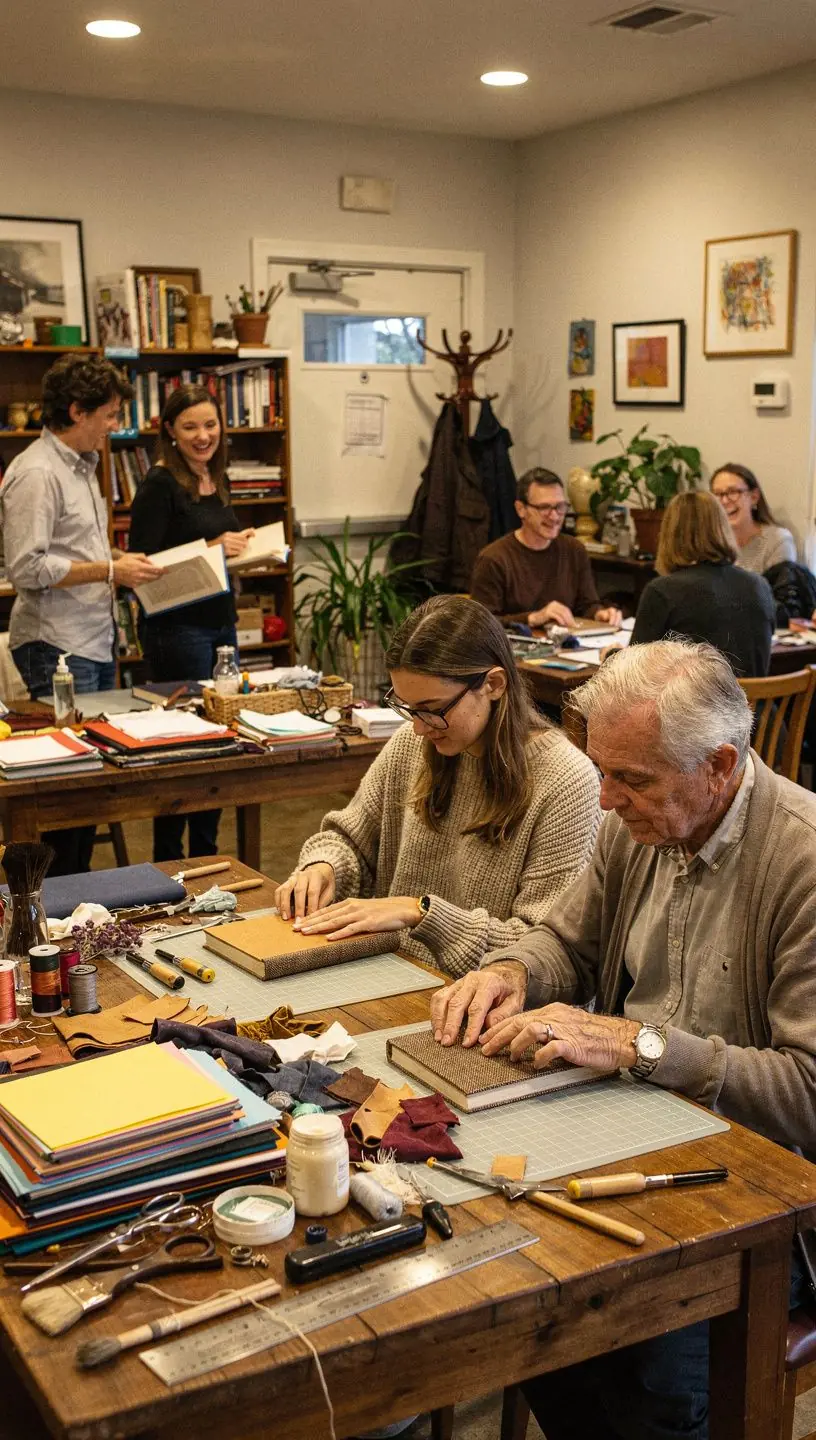
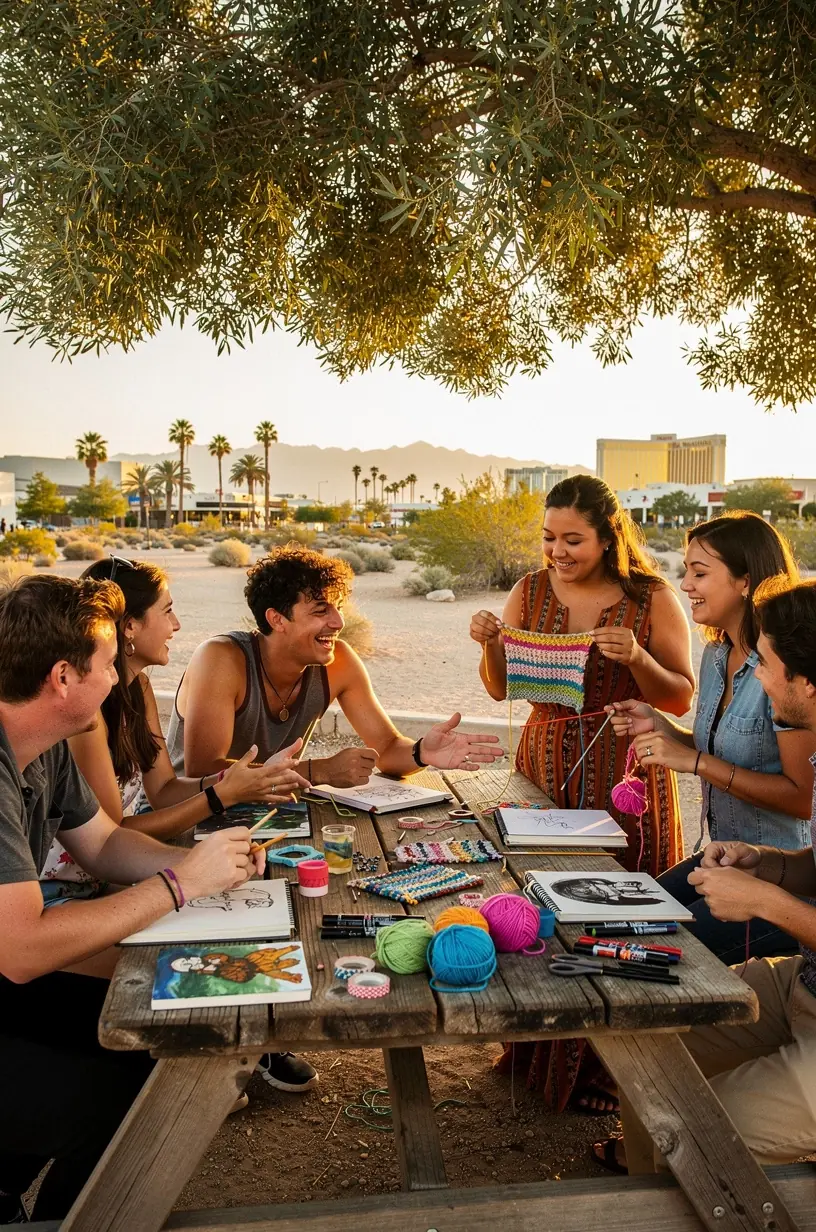
Inclusivity in crafting spaces is essential because it promotes creativity and enhances collaboration. Research indicates that diverse groups often produce more innovative ideas, as members bring varied perspectives and experiences (Diversity in Teams, 2018). Experts recommend that crafting hubs actively encourage participation from underrepresented communities to enrich the crafting experience for everyone.

"A diverse crafting space not only benefits individuals but also strengthens the entire community's creativity and resourcefulness."
Creating an Inclusive Environment
To foster a culture of inclusivity in your crafting space, consider the following strategies:
- Collaborative Workshops: Organizing workshops that cater to various skill levels allows participants to learn from one another. Many users report that mentorship opportunities create a sense of belonging and enhance their crafting capabilities.
- Accessible Resources: Ensure that materials and tools are accessible to everyone, including individuals with disabilities. Adhering to accessibility standards can make a significant difference in participant engagement.
- Community Feedback: Regularly seek input from participants regarding the crafting space and available resources. This approach promotes a sense of ownership and accountability among community members, which can strengthen relationships.
Addressing Potential Challenges
While striving for inclusivity, it's crucial to acknowledge certain challenges:
- Inclusivity initiatives often require time and effort. Implementing changes typically takes 2-4 months as you gather community feedback and adjust your offerings accordingly.
- There may be a learning curve for both organizers and participants. It's common for groups to experience initial resistance when introducing new practices, but ongoing support can ease this transition.
- Some approaches may not be suitable for all crafting contexts. For instance, a workshop focused on advanced techniques may alienate beginners. Therefore, tailoring sessions based on skill levels is crucial.
Conclusion
Encouraging inclusivity in crafting spaces is not just beneficial; it is a necessary component for nurturing a vibrant and creative community. By implementing collaborative workshops, ensuring accessibility, and actively seeking community feedback, you can create an environment where all individuals feel valued and empowered to express themselves. Remember, while challenges may arise, the long-term benefits of an inclusive crafting space can lead to a richer, more diverse community that thrives on shared creativity.
Learn More