Understanding the Process of Crafting Collaboration
Crafting collaboration can be a rewarding experience that enhances creativity and builds community. In this article, we will explore the essential steps involved in collaborative crafting, why they work, and how you can effectively engage in this process.
Understanding the Basics of Crafting Collaboration
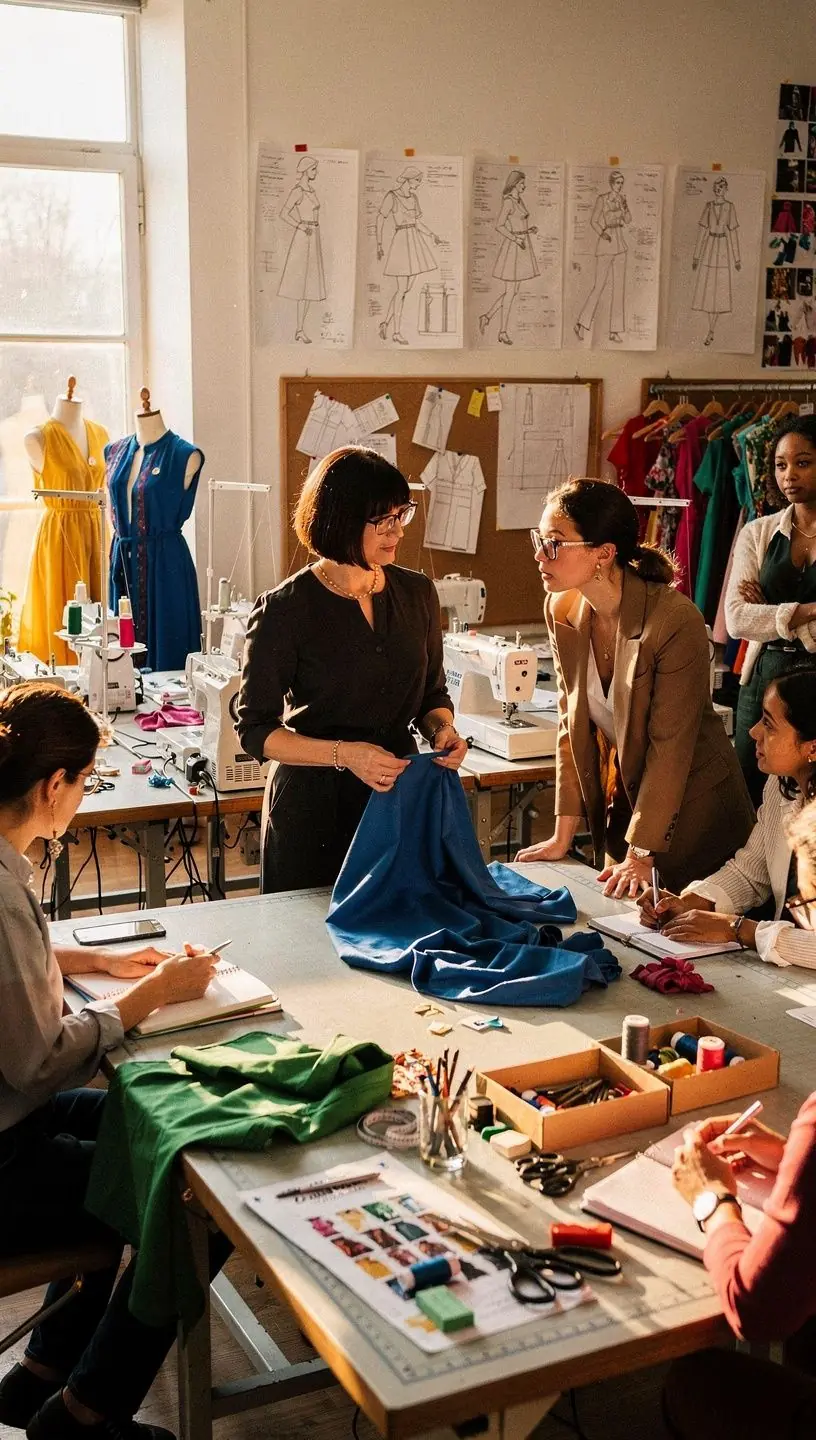
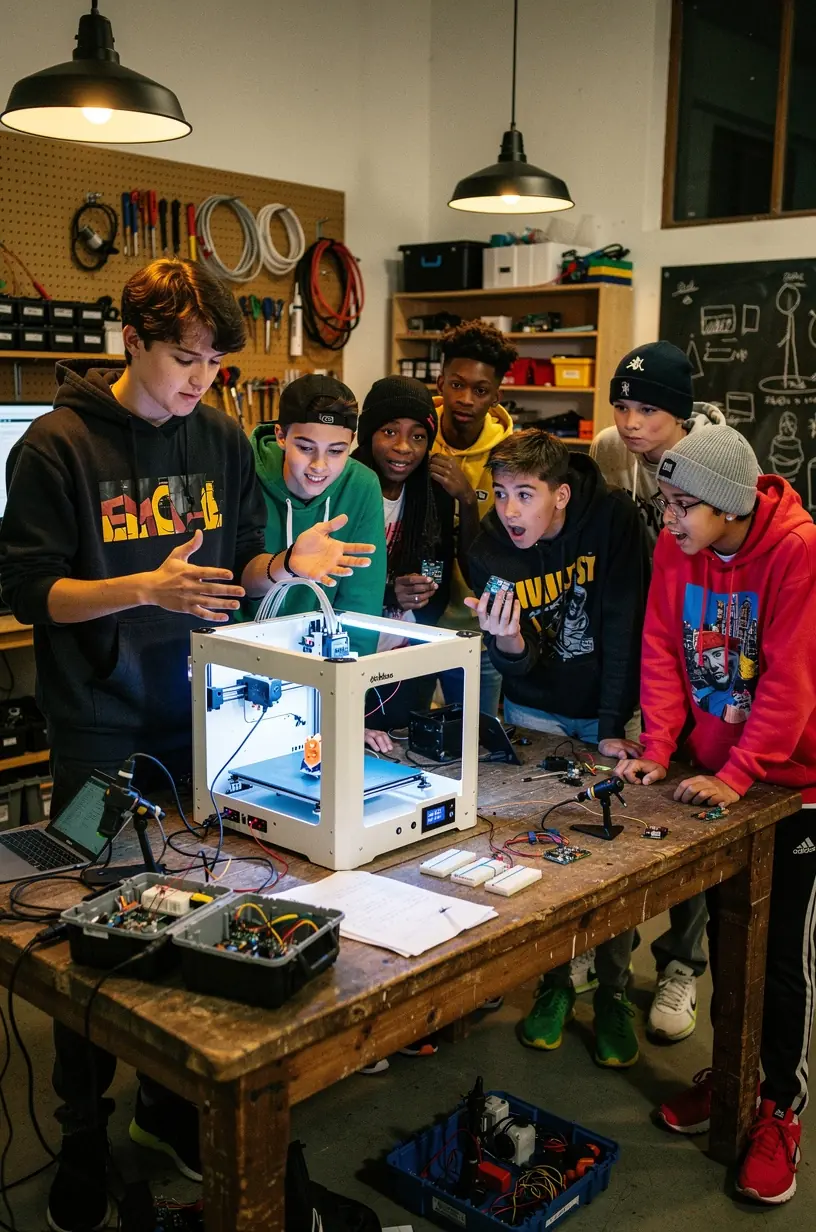
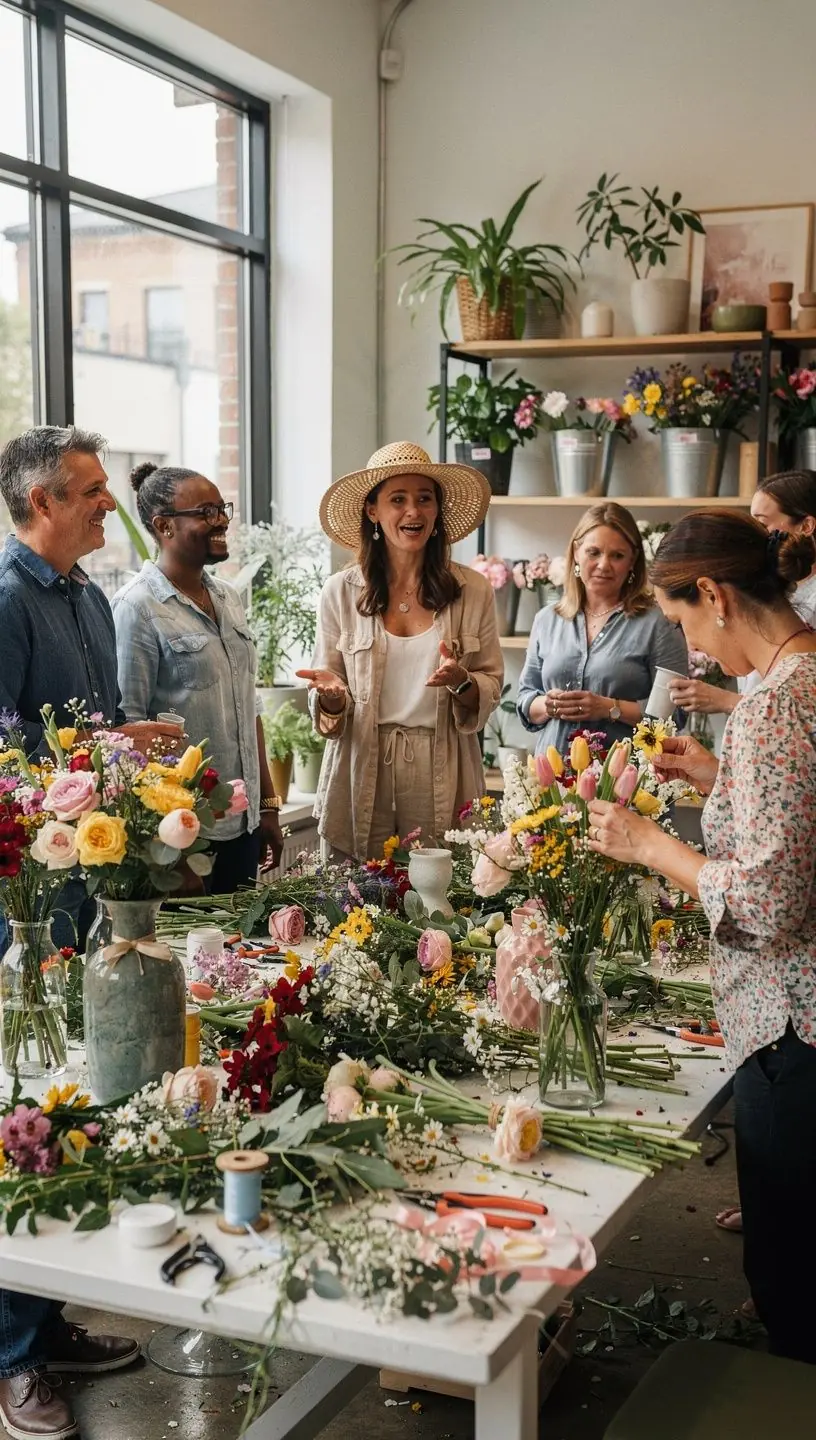
Collaboration in crafting typically involves multiple individuals coming together to share skills, resources, and ideas. This process can foster a sense of community and enhance the quality of the final products. According to studies on collaborative practices, groups that engage in crafting together often report higher levels of creativity and satisfaction, which can be attributed to the diverse perspectives and skills each member brings to the table.

"Collaboration increases creativity by combining different viewpoints and expertise, leading to innovative solutions." - Crafting Expert
The Key Steps in Crafting Collaboration
- Establish Clear Objectives: Before starting a collaborative project, it’s important to define what you want to achieve. This could range from creating a specific craft item to developing a joint artistic vision. Establishing clear goals helps everyone stay on track and ensures that all members contribute effectively.
- Foster Open Communication: Research shows that effective communication is crucial for successful collaboration. Encouraging team members to express their ideas and concerns openly can lead to better decision-making and a more enjoyable crafting experience.
- Allocate Roles and Responsibilities: Clearly defined roles can help streamline the crafting process. Assigning specific tasks based on individual strengths can enhance efficiency and prevent confusion. For instance, one person might focus on design while another handles assembly.
Why Collaboration Works
The principle behind successful collaboration lies in the synergy created when diverse individuals come together. Each participant contributes unique skills and ideas, which can lead to innovative approaches that may not have been possible in isolation. Experts recommend fostering a collaborative environment where members feel valued and encouraged to share their insights.
Acknowledging Limitations
While collaboration can significantly enhance creativity, it requires time and dedication. Typically, collaborative projects may take longer than individual efforts due to the need for coordination and consensus-building. Furthermore, achieving a harmonious working relationship may involve overcoming interpersonal challenges. This process can be particularly complex in creative settings where personal styles and visions may differ.
Conclusion
Crafting collaboration is a valuable approach for enhancing creativity and building community within the crafting space. By understanding the key steps, fostering open communication, and acknowledging the time and effort involved, you can create an environment that promotes effective collaboration. Remember that the journey of crafting together can be just as rewarding as the final product itself, providing opportunities for learning, growth, and lasting connections.