How to Promote DIY Culture in Your Community
Fostering a DIY culture can significantly enhance creativity, community bonds, and local economies. This article outlines effective strategies for encouraging DIY initiatives within your community, emphasizing practical steps and expert recommendations.
Understanding the Importance of DIY Culture
According to research by the National Endowment for the Arts, participating in creative activities enhances mental well-being and contributes to stronger community ties. DIY culture often leads to skills development, collaboration, and a sense of ownership among community members.
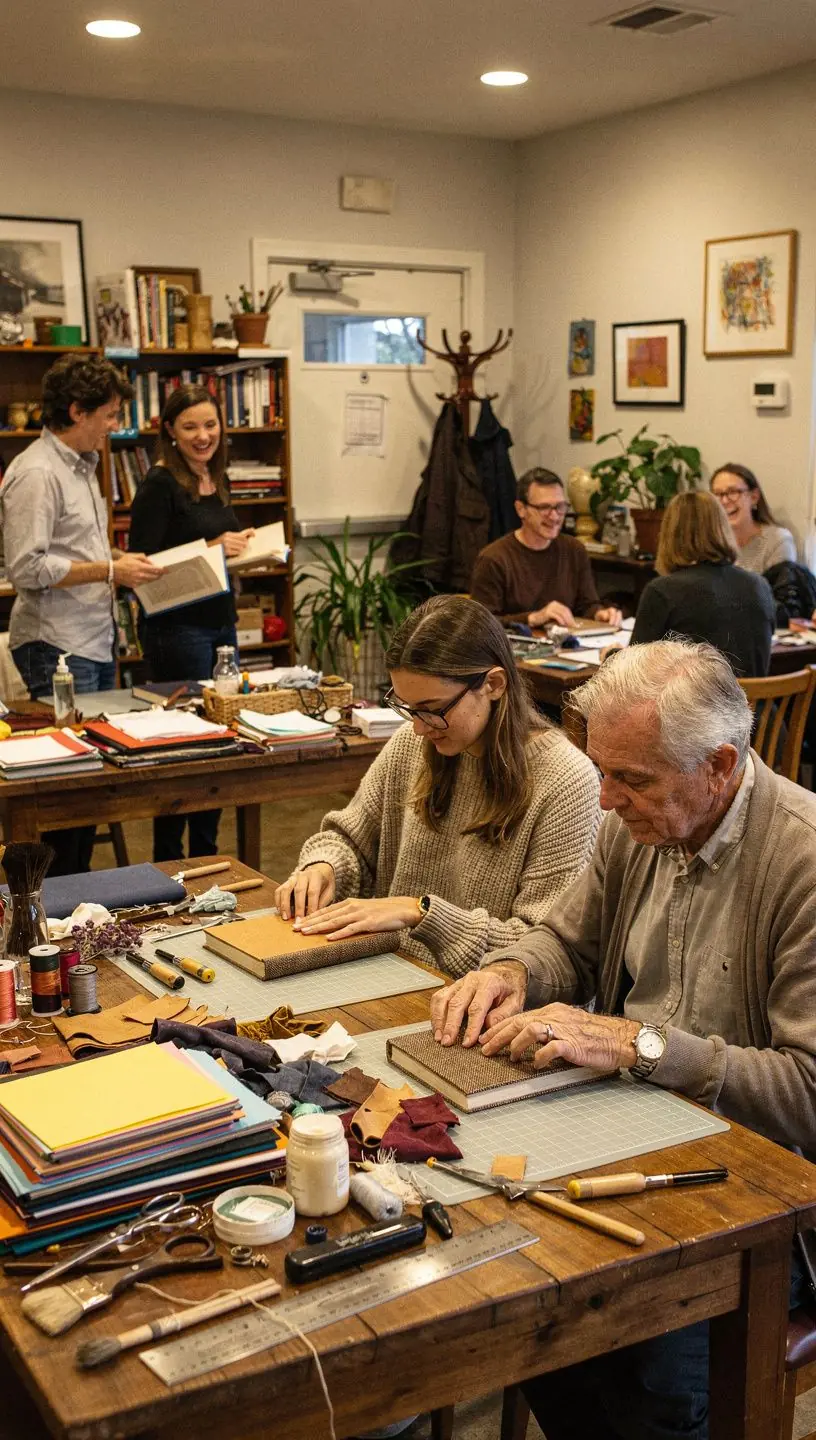
"Engaging in DIY projects not only fosters creativity but also builds resilience and self-reliance." - Community Development Expert
Building Local Hubs for Creativity
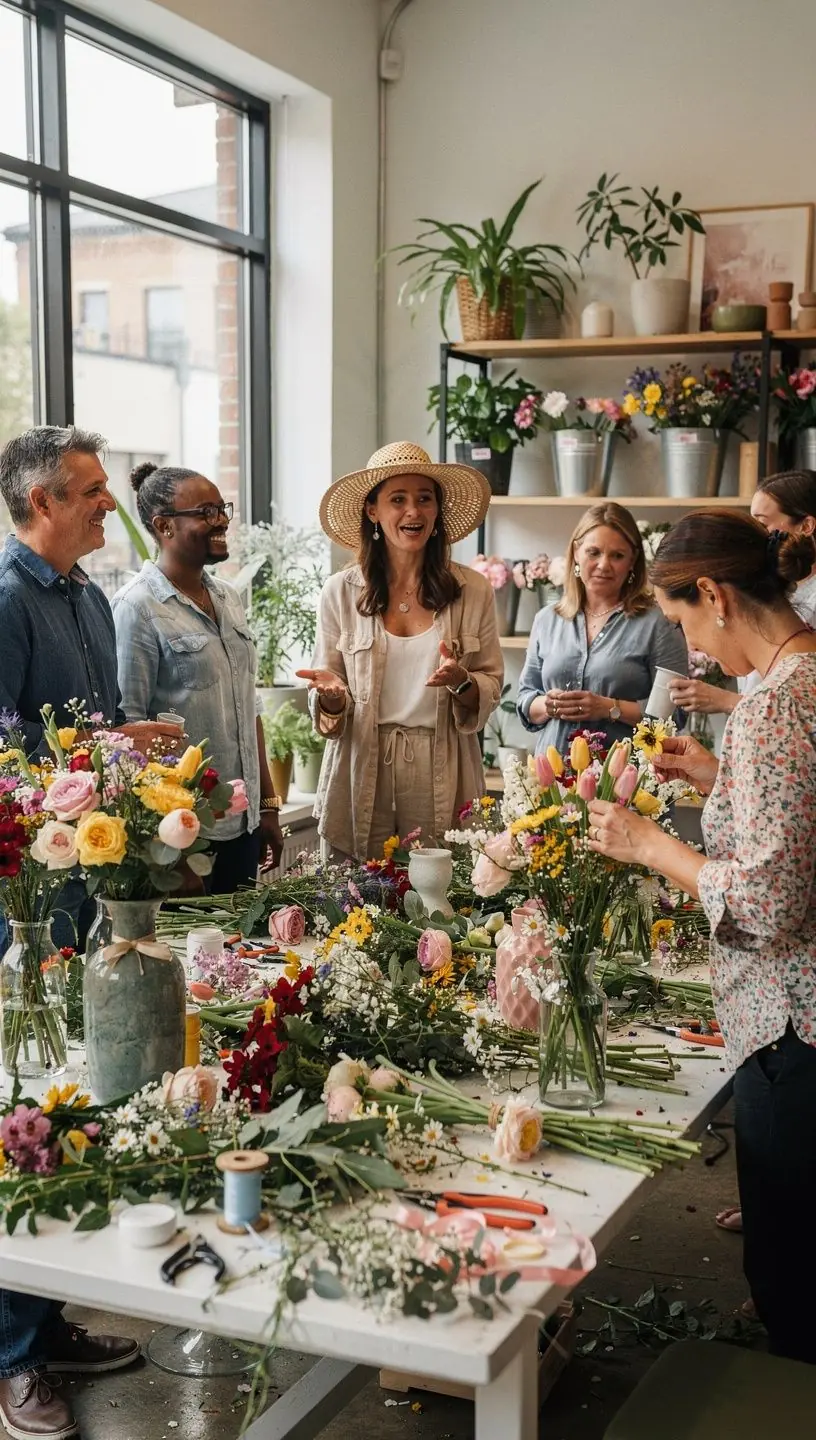
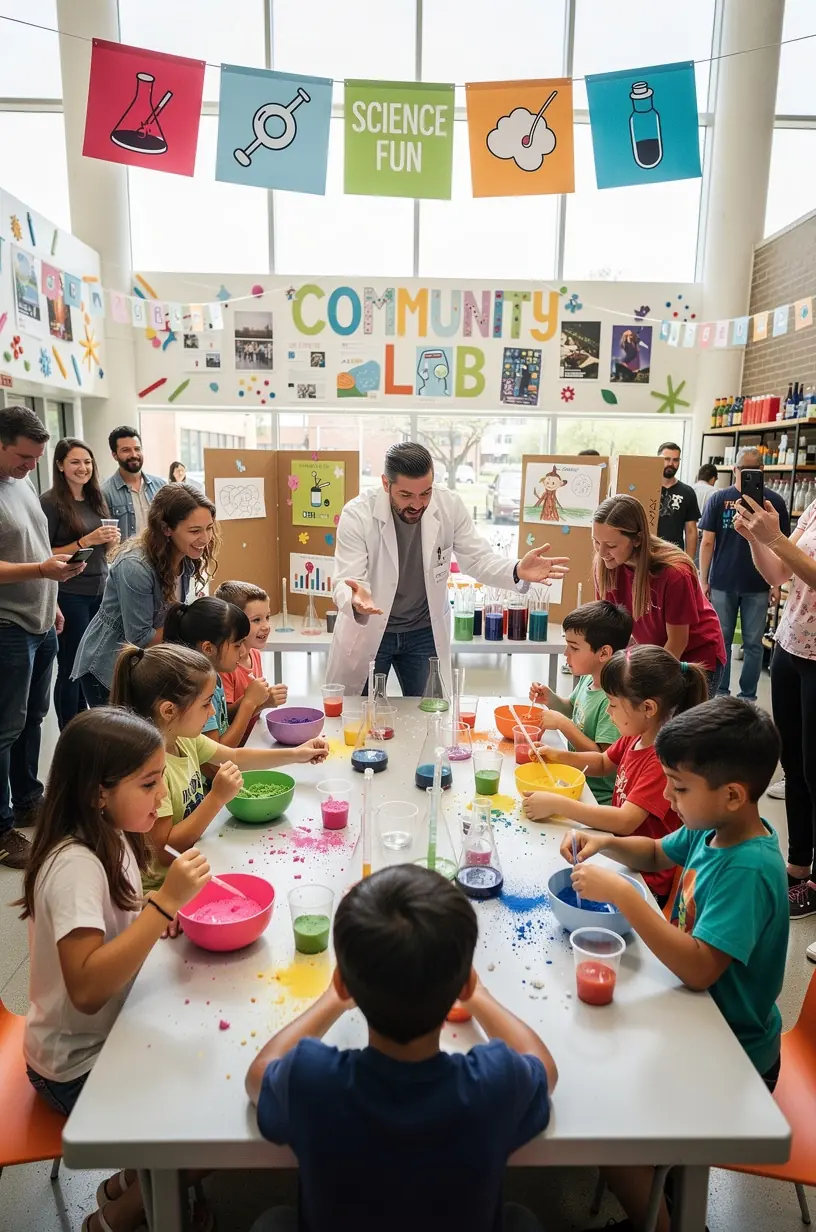
Establishing a dedicated space for DIY activities is crucial. These hubs can serve as community centers where individuals can gather, share resources, and learn from one another. Here are some steps to consider:
- Identify Suitable Locations: Look for underutilized spaces such as libraries, community centers, or vacant storefronts that could be transformed into creative hubs.
- Create a Collaborative Environment: Encourage local artisans and craftspeople to offer workshops, fostering an atmosphere where learning and sharing are prioritized.
- Develop a Schedule of Activities: Organize regular events such as craft fairs, maker nights, or DIY competitions to keep the community engaged.
Engaging the Community Through Mentorship
Mentorship plays a vital role in promoting DIY culture. Research indicates that programs involving mentorship can improve skill acquisition and retention rates. Here’s how to implement mentorship in your community:
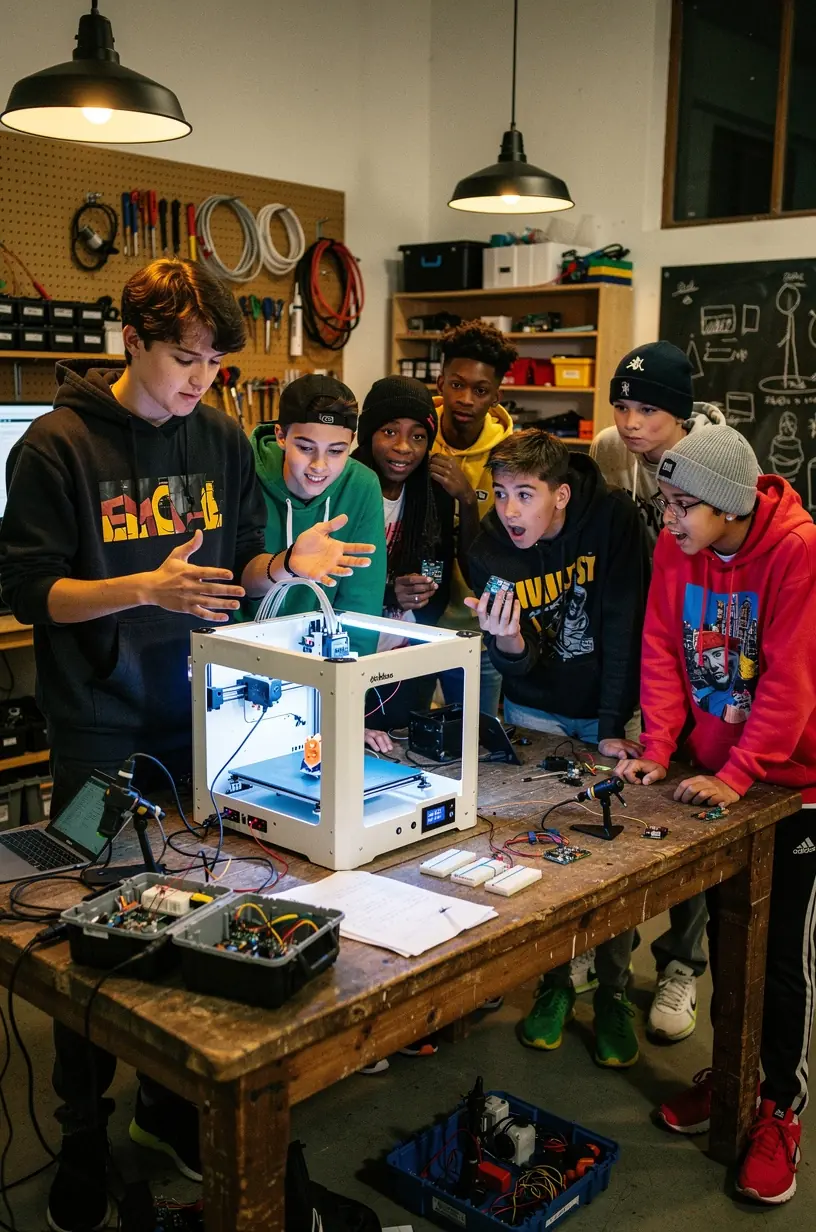
- Connect Experienced Creators with New Enthusiasts: Establish a mentorship program that pairs experienced DIYers with novices, facilitating knowledge transfer.
- Offer Diverse Learning Opportunities: Ensure that workshops cover a range of skills, from basic crafts to advanced techniques, appealing to varying interests.
- Utilize Online Platforms: Consider creating online groups or forums where community members can share their projects, ask for advice, and celebrate each other's achievements.
Promoting Inclusivity and Accessibility
In many cases, DIY culture can become exclusive due to resource limitations or skill gaps. It is essential to promote inclusivity by:
- Providing Affordable Resources: Seek grants or sponsorships to offer materials at reduced costs, making participation accessible to everyone.
- Encouraging Diverse Participation: Actively reach out to underrepresented groups in the community to ensure that everyone feels welcome to join.
- Hosting Free Events: Plan no-cost workshops or community days that allow individuals to explore crafts without financial barriers.
Conclusion
Promoting a DIY culture in your community requires effort, collaboration, and an understanding of the needs of your members. By creating supportive spaces, offering mentorship, and ensuring inclusivity, you can foster a thriving environment where creativity flourishes. Remember, while the journey may require dedication and time, the benefits to your community can be profound and long-lasting.
Learn More