Understanding the Role of Mentorship in DIY Communities
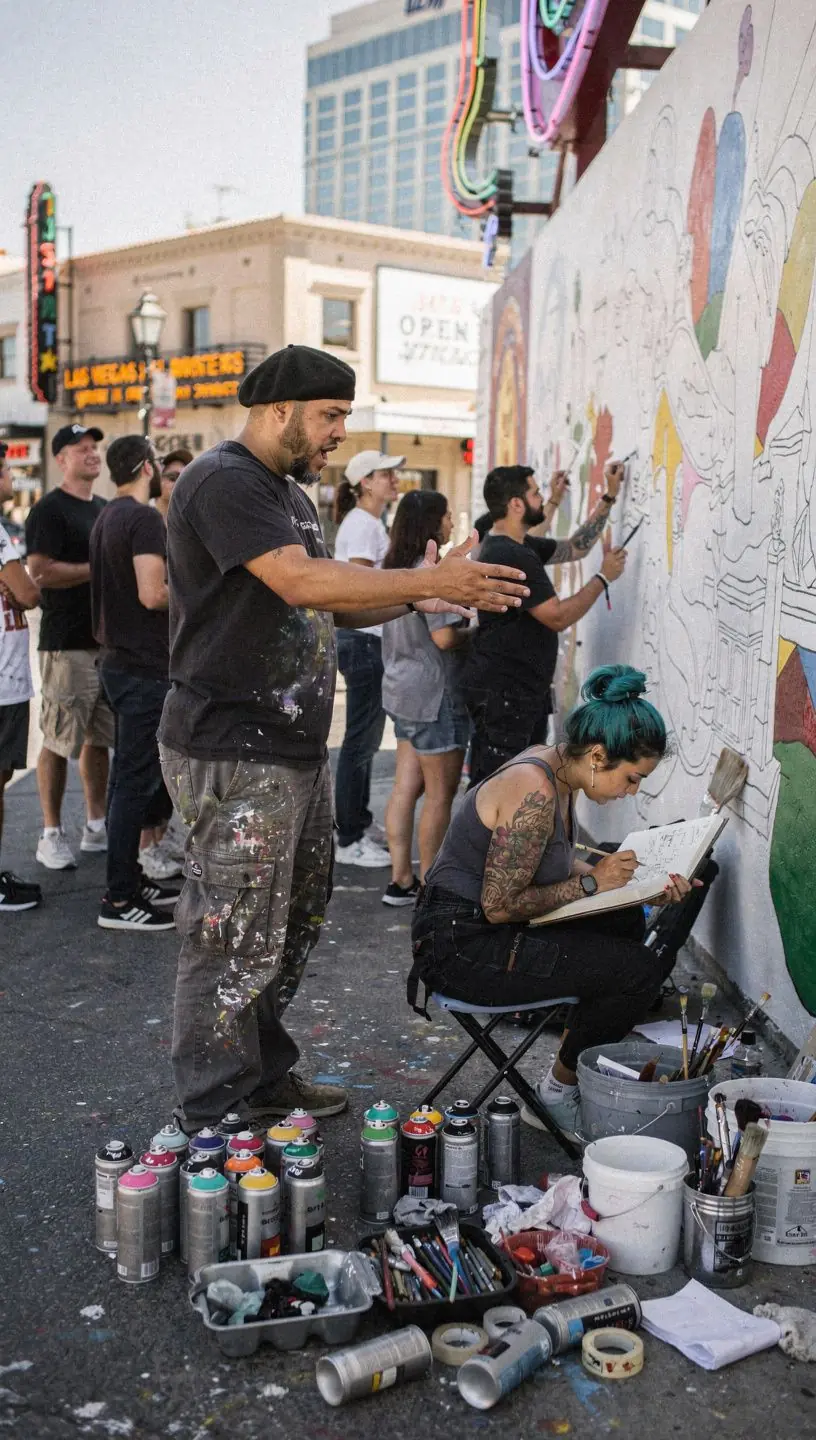
Mentorship plays a crucial role in the thriving landscape of DIY communities, particularly for those engaged in various crafts. This article explores how mentorship enhances skill development, fosters creativity, and cultivates a supportive environment, ultimately contributing to the growth of DIY hobby hubs.
The Importance of Mentorship
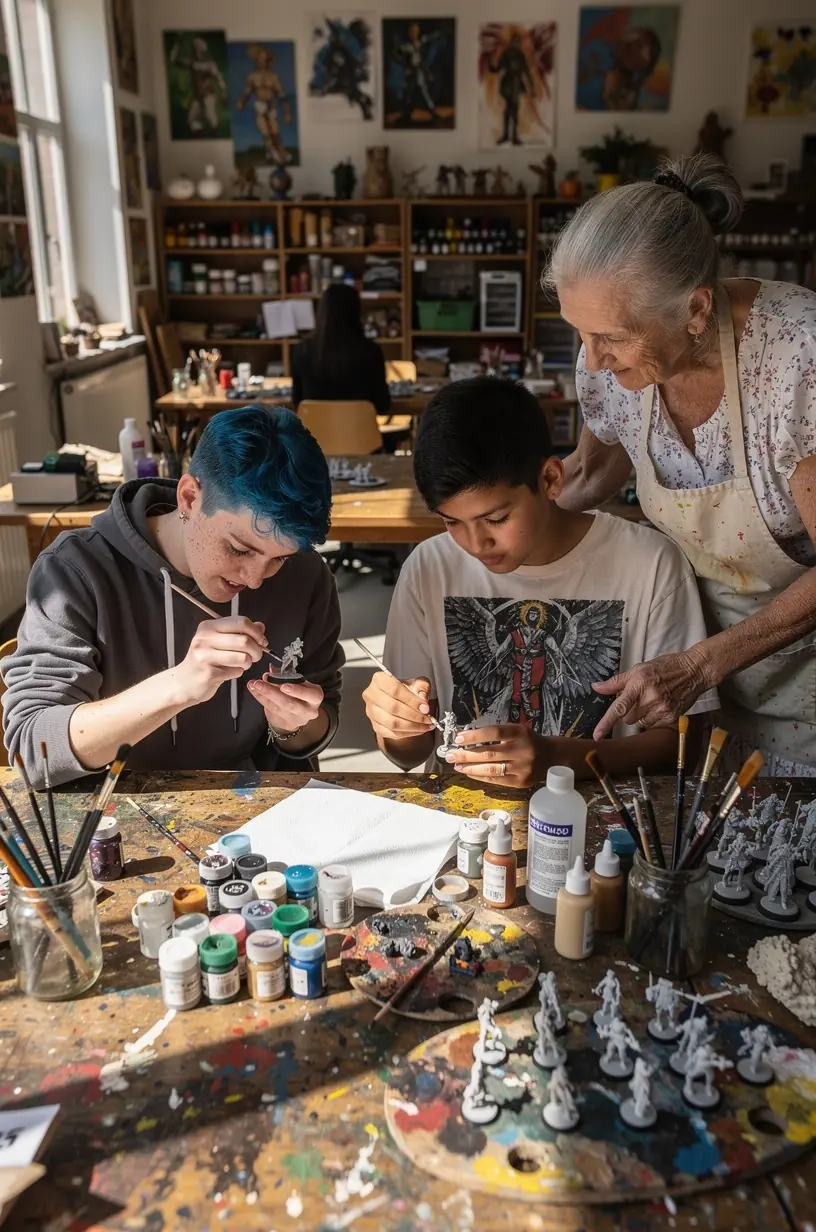
According to research, communities that incorporate mentorship often report higher levels of engagement and satisfaction among participants. Mentorship in DIY contexts typically involves experienced crafters guiding novices through skills development, project planning, and best practices. This relationship can significantly enhance the learning curve for newcomers, making the experience more enjoyable and productive.
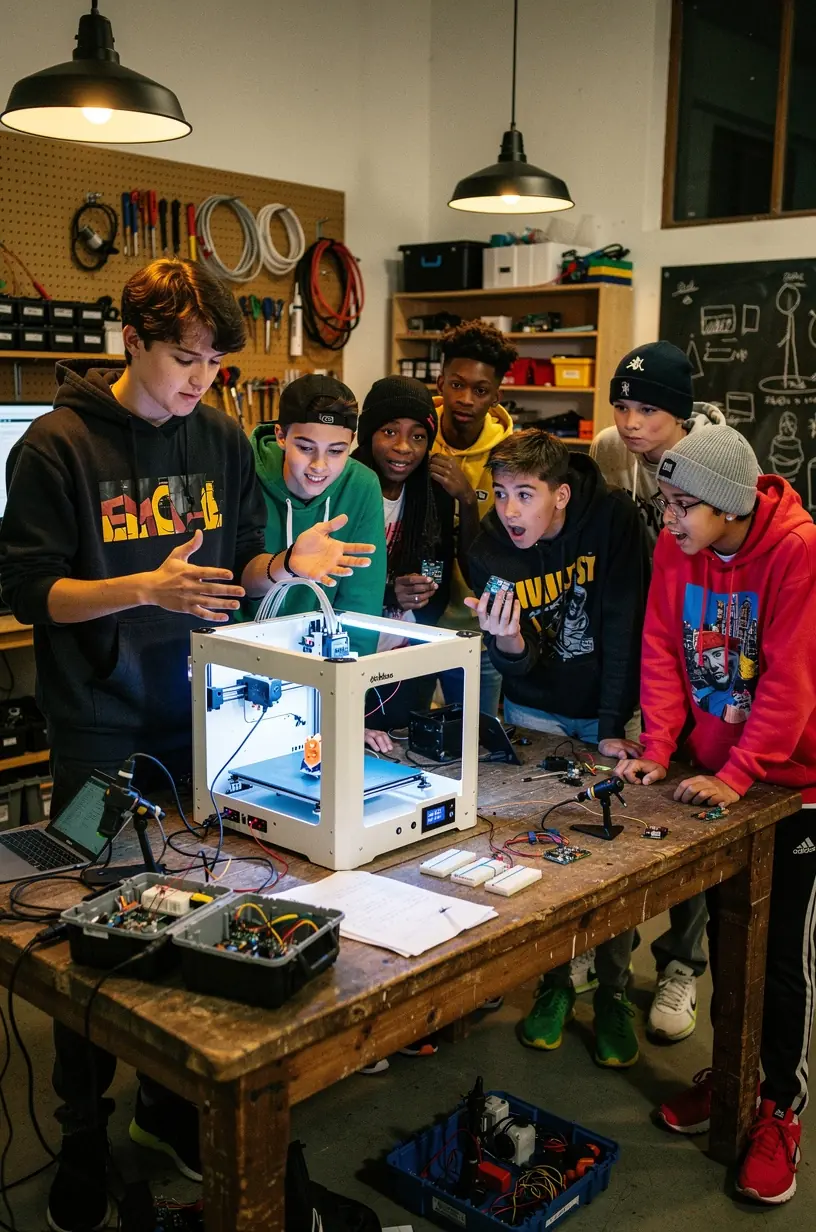
"Mentorship is not just about teaching; it's about inspiring and empowering others to explore their creativity." - DIY Community Expert
Benefits of Having a Mentor in DIY
Many users in DIY communities find that having a mentor provides various significant benefits:
- Skill Development: Mentors can offer personalized feedback, which is often more effective than self-directed learning. Experts suggest that hands-on guidance can lead to skill improvement of up to 30% in similar contexts.
- Access to Resources: Mentors typically share invaluable resources, including materials, tools, and techniques that may not be readily available to beginners.
- Networking Opportunities: Working with a mentor often opens doors to broader community connections, which can lead to collaborative projects and shared learning experiences.
How to Find a Mentor
Finding the right mentor may require some effort, but it is often a rewarding experience. Here are some practical steps:
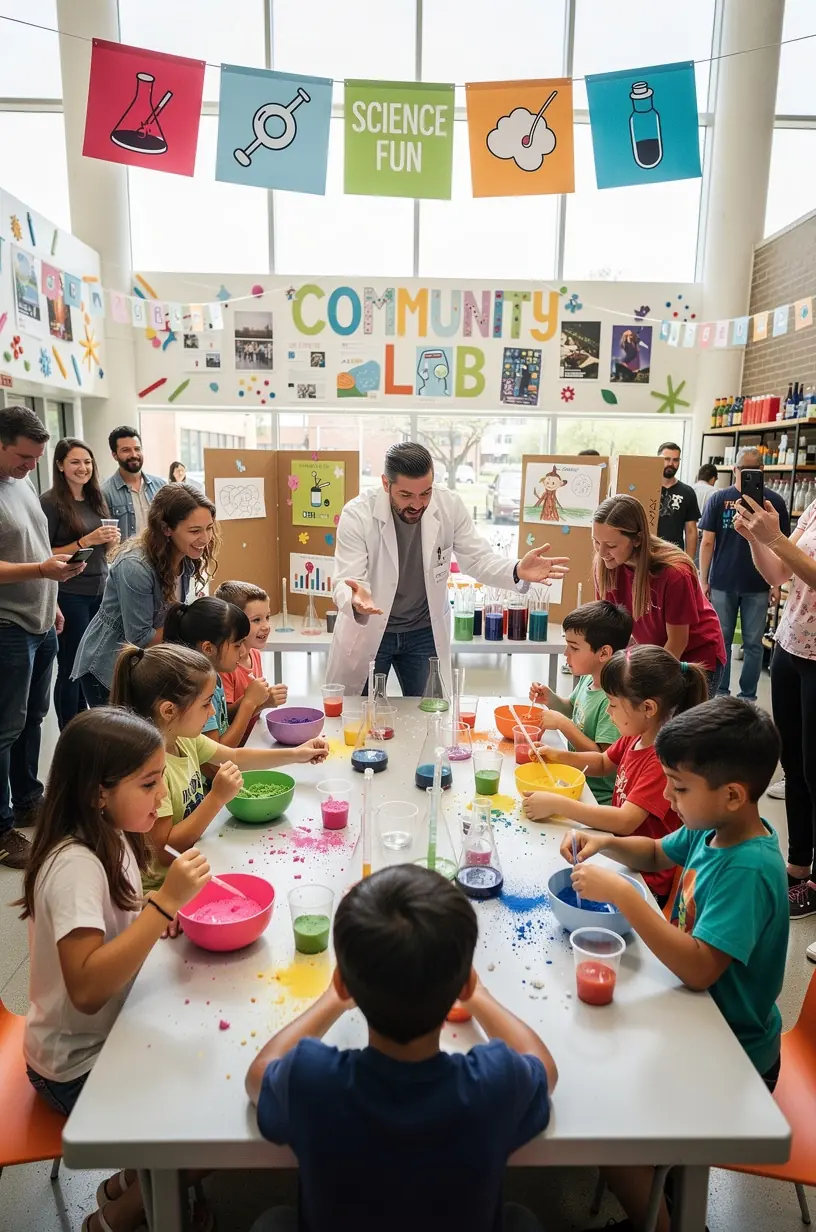
- Participate in Local Workshops: Many DIY spaces host workshops where you can meet potential mentors. Engaging actively can increase your chances of finding someone who resonates with your interests.
- Join Online Communities: Many forums and social media groups dedicated to specific crafts allow users to connect. Look for members who are willing to share their knowledge and experience.
- Attend Craft Fairs and Expos: These events often have seasoned crafters who are keen to mentor others. Approach them with specific questions about your interests.
Setting Clear Expectations
While mentorship can be incredibly beneficial, it’s essential to set clear expectations. A typical mentorship relationship requires a commitment of time and effort from both parties. Mentors and mentees should agree on:
- The frequency and format of meetings (in-person or virtual)
- Specific skills or topics to focus on
- Goals for the mentorship period
Setting these parameters can help ensure a productive and fulfilling relationship.
Conclusion
Understanding the role of mentorship in DIY communities emphasizes the value of shared knowledge and support. By fostering relationships with experienced mentors, individuals can enhance their skills, gain access to resources, and build a network that enriches their crafting journey. Whether you are a novice looking to learn or an experienced crafter eager to share, mentorship can be a vital component of a vibrant DIY community.
Learn More