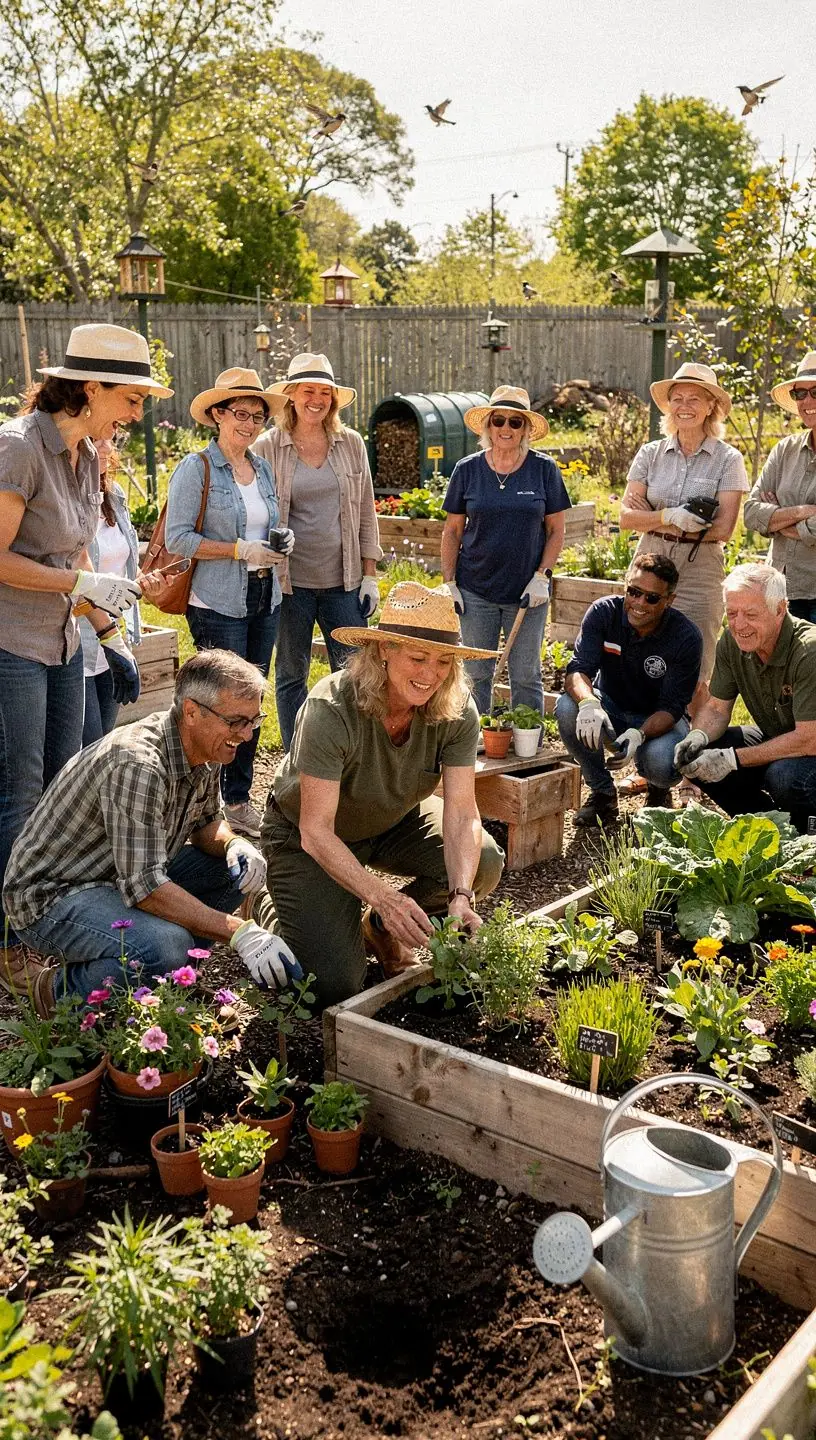
How to Source Materials for Community Craft Projects
Sourcing materials for community craft projects can be a rewarding yet challenging task. This article aims to provide practical insights into effective methods for gathering supplies while fostering a collaborative spirit within your DIY hobby hub.
Understanding the Basics
When it comes to community crafts, accessing the right materials is crucial for the success of any project. According to a study by the Craft and Hobby Association, many crafters report that sourcing materials collaboratively not only enhances creativity but also promotes a sense of community. This approach works because it allows participants to share knowledge, resources, and even the costs involved in purchasing supplies.
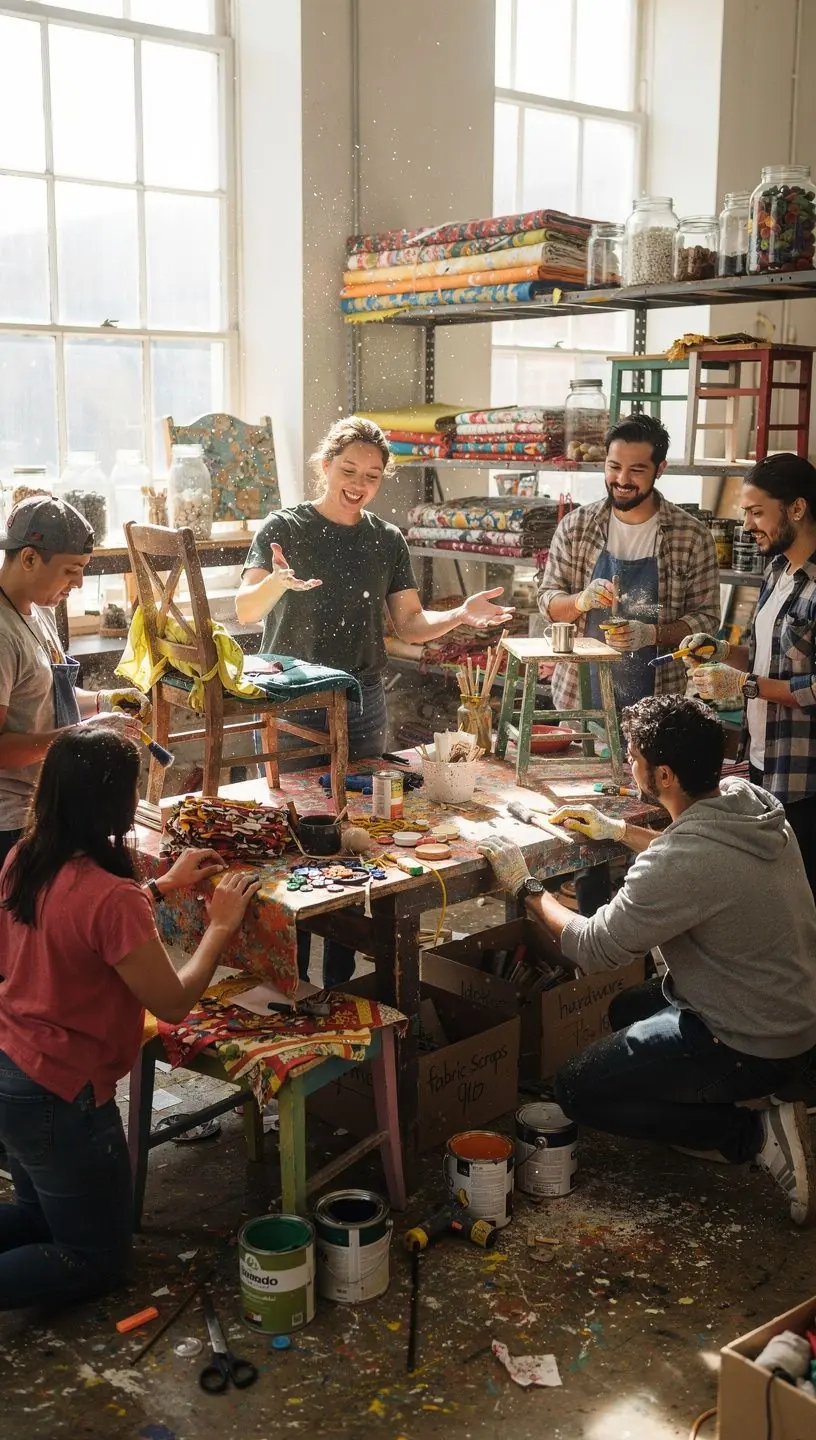
"Collaborative sourcing can lead to more innovative and diverse craft projects, enhancing both the experience and final outcome."
Identifying Your Material Needs
Before you begin sourcing materials, it's vital to identify what your community project will require. This typically involves:
- Discussing project ideas with community members to understand their preferences and skills.
- Creating a detailed list of necessary materials, which should include basics like paper, fabric, and tools, as well as any specialty items needed for specific projects.
- Considering the availability of existing supplies among community members, which can often lead to significant cost savings.
Where to Source Materials
Here are some effective strategies for sourcing materials for community craft projects:
- Local Businesses: Establishing partnerships with local craft stores and suppliers can be beneficial. Many local businesses are open to offering discounts or donating materials to community projects, especially when approached with a clear proposal.
- Online Marketplaces: Websites like Etsy and eBay often have bulk materials or unique items that can fit your craft project’s needs. Research shows that online sourcing can save time and broaden options, but it’s essential to factor in shipping costs and delivery times.
- Community Donations: Hosting a materials drive or asking for donations from community members can provide an abundance of supplies. Many people have unused craft materials lying around, and they may welcome the opportunity to contribute to a community project.
Collaborative Efforts
According to industry experts, collaboration is a key aspect of successful community sourcing. Here’s how to enhance collaboration:
- Set up a sharing platform, such as a dedicated Facebook group or a bulletin board, where community members can post what materials they have available or what they need.
- Organize regular meet-ups for brainstorming sessions. These can help in discussing ideas and identifying material needs, as well as fostering a sense of community.
- Consider educational workshops where experienced crafters can mentor those new to crafting, effectively sharing both skills and materials.
Conclusion
Sourcing materials for community craft projects requires thoughtful planning, collaboration, and a willingness to reach out to local resources. By following these strategies, you can create a successful crafting environment that not only meets the material needs of your projects but also strengthens community bonds. Remember to set realistic expectations and communicate clearly with all members involved, as effective sourcing often involves time and effort but can lead to rewarding outcomes.
Learn More