The Role of Feedback in Crafting Education
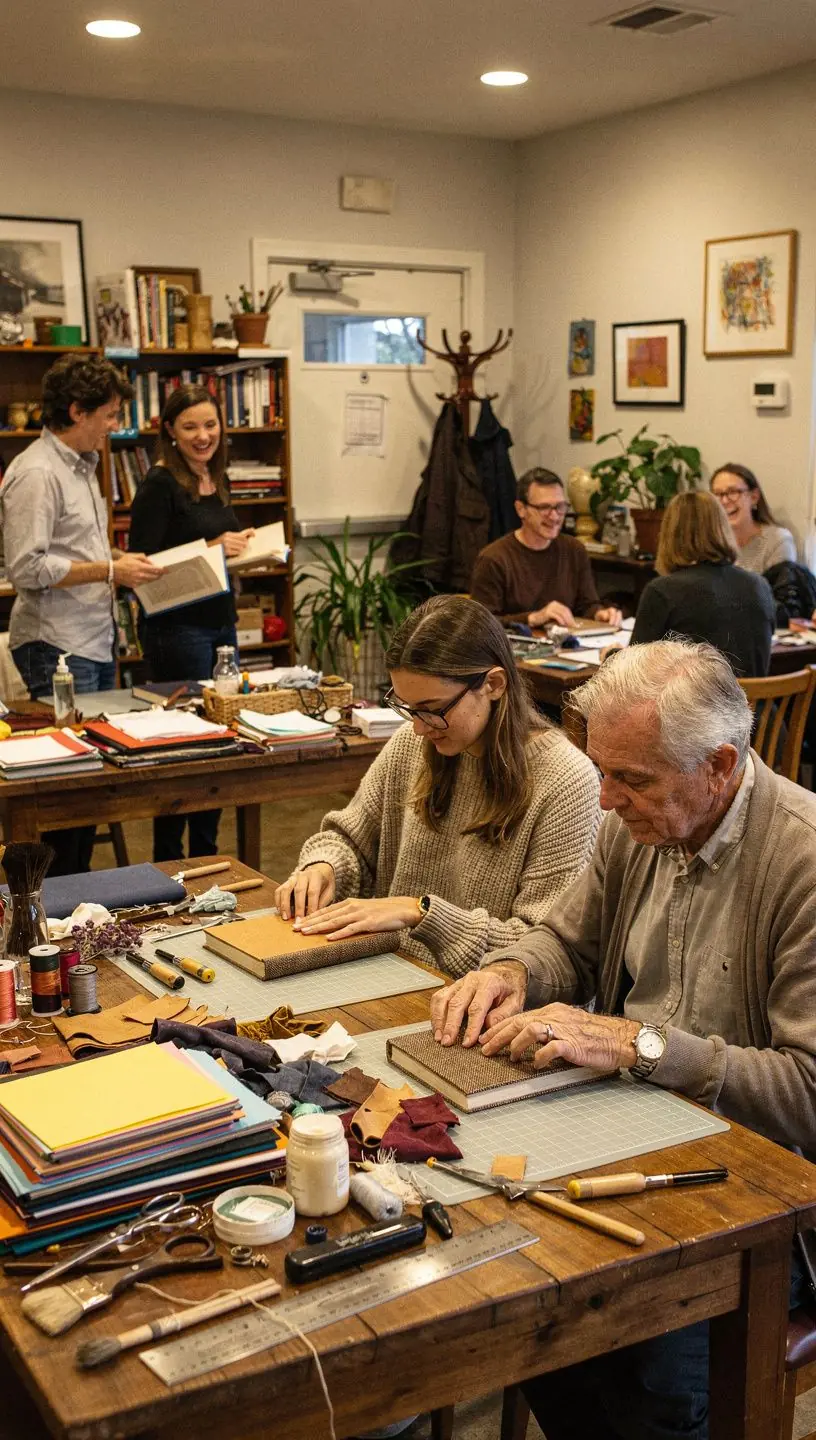
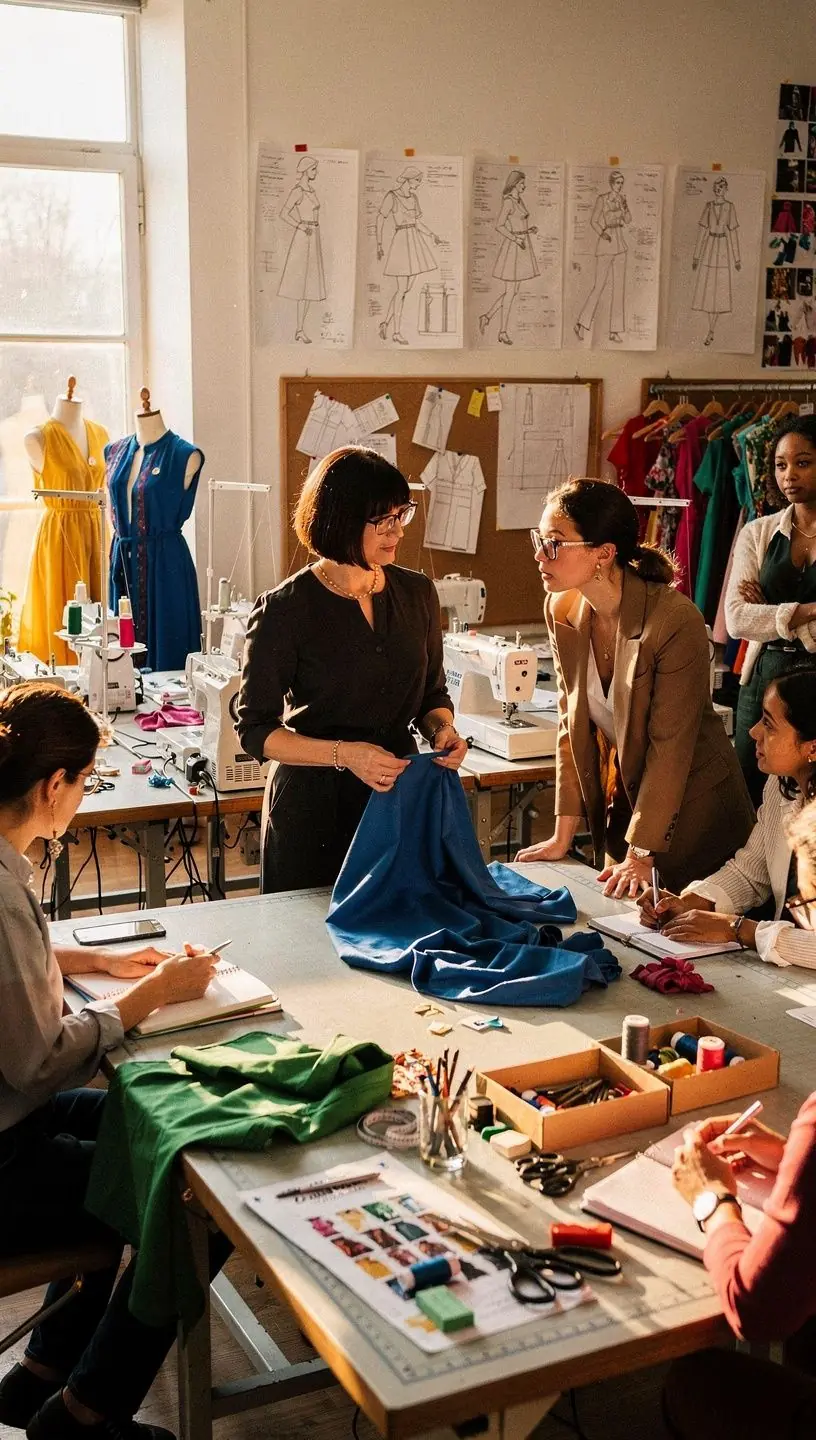
In the world of crafting, feedback serves as a critical component of educational growth. This article explores how constructive feedback can enhance learning experiences in DIY hobbies, especially within shared workspaces that promote collaboration.
Understanding the Basics of Feedback in Crafting
Feedback is an integral part of the learning process, especially in creative fields like crafting. According to research, constructive feedback can significantly improve skill development. For instance, a study published in the Journal of Educational Psychology indicates that learners who receive consistent feedback on their work are more likely to make progress compared to those who do not. This improvement occurs because feedback helps individuals identify their strengths and weaknesses, guiding their future efforts.
"Feedback is not just about pointing out what is wrong; it's about guiding improvement and fostering a growth mindset."
Why Feedback Matters in Crafting Education
Feedback plays a multifaceted role in crafting education for several reasons:
- Encouragement of Self-Reflection: Many users report that receiving feedback encourages them to reflect on their work. This self-reflection is vital for understanding the learning journey and recognizing areas for improvement.
- Building Confidence: Constructive criticism, when delivered effectively, can build confidence. A positive comment combined with suggestions for improvement often results in a more engaged and motivated learner.
- Enhancing Skills: Feedback offers specific insights that can lead to skill enhancement. According to experts, targeted feedback helps learners focus on particular techniques or aspects of their craft, allowing for more efficient learning.
Implementing Feedback in a Crafting Community
In a shared workspace, feedback can be integrated into the crafting process in the following ways:
- Peer Reviews: Establish regular peer review sessions where crafters can present their work and receive feedback from others. This method not only enhances skills but also fosters a sense of community.
- Mentorship Programs: Implementing mentorship initiatives where experienced crafters provide feedback to novices can create a supportive learning environment. Research suggests that mentoring can significantly accelerate skill acquisition.
- Workshops and Classes: Conduct workshops focused on specific crafting techniques. Instructors can provide immediate feedback, which is often more effective for skill development than delayed evaluations.
Challenges and Considerations
While feedback can be incredibly beneficial, it's essential to approach it thoughtfully. Effective feedback typically requires time and effort, which may not always be feasible in busy crafting environments. Additionally, feedback should be tailored to the individual's skill level and personality; what works for one learner may not work for another. It’s crucial to maintain a balance, ensuring that feedback is constructive and delivered in a manner that promotes learning without discouragement.
Conclusion
Feedback in crafting education is a powerful tool that can enhance learning experiences and foster community. By implementing structured feedback mechanisms in shared workspaces, crafters can significantly improve their skills while supporting each other in their creative journeys. As the crafting community in Latvia continues to grow, embracing feedback will be essential in nurturing a culture of learning and collaboration.
Learn More