Practical Applications of Sustainable Crafting
As the world increasingly recognizes the importance of sustainability, crafting has emerged as a viable avenue for individuals looking to express creativity while minimizing their environmental impact. This article explores practical applications of sustainable crafting, offering insights on how to effectively incorporate eco-friendly practices into various DIY projects.
Understanding the Basics of Sustainable Crafting
Sustainable crafting emphasizes the use of materials and methods that are environmentally friendly. According to the Environmental Protection Agency, the crafting industry can contribute significantly to waste generation. By adopting sustainable practices, crafters can reduce their ecological footprint. Experts recommend focusing on three main principles:
- Reduce: Minimize the amount of materials used in projects.
- Reuse: Utilize existing materials or repurpose items that would otherwise be discarded.
- Recycle: Ensure that materials are disposed of properly, opting for recycling whenever possible.
"Crafting sustainably not only benefits the environment but also encourages creativity and resourcefulness." – Crafting Expert
Practical Application of Sustainable Crafting Techniques
Incorporating sustainable practices into crafting can often be straightforward. Here are several practical applications that illustrate how crafters in Latvia can effectively embrace eco-friendly methods:
1. Upcycling Materials
Upcycling is the process of transforming waste materials into new products. For instance, old textiles can be turned into patchwork quilts, offering a creative way to repurpose fabric scraps. Research indicates that upcycling can reduce waste by up to 30-50% in similar contexts.
2. Natural Dyes
Using natural dyes made from plants, fruits, and vegetables is an excellent alternative to chemical-based dyes. This method not only reduces chemical waste but also gives unique colors to your fabrics. Many users report that natural dyes provide deeper shades and greater richness in color.
3. Community Workshops
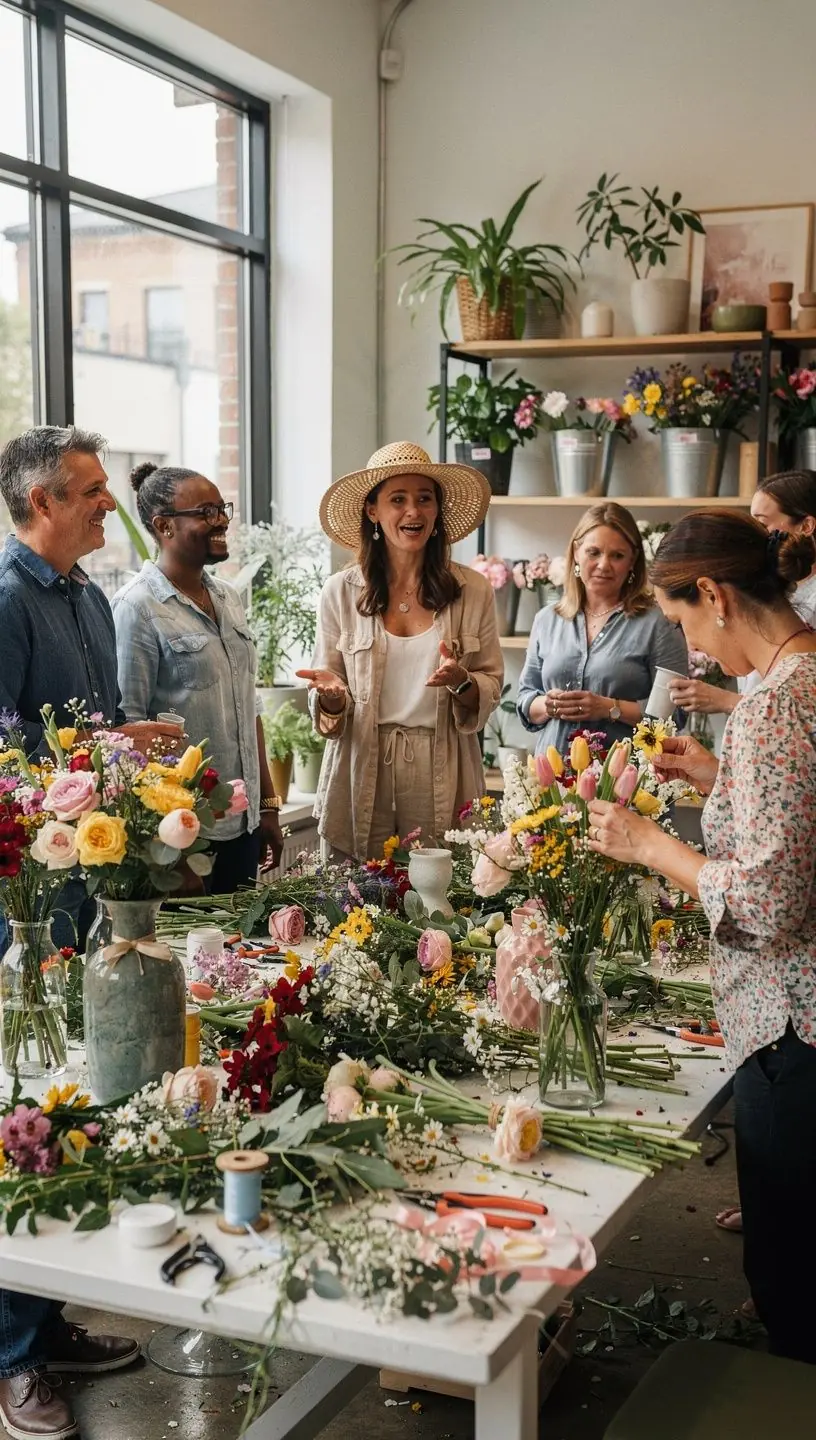
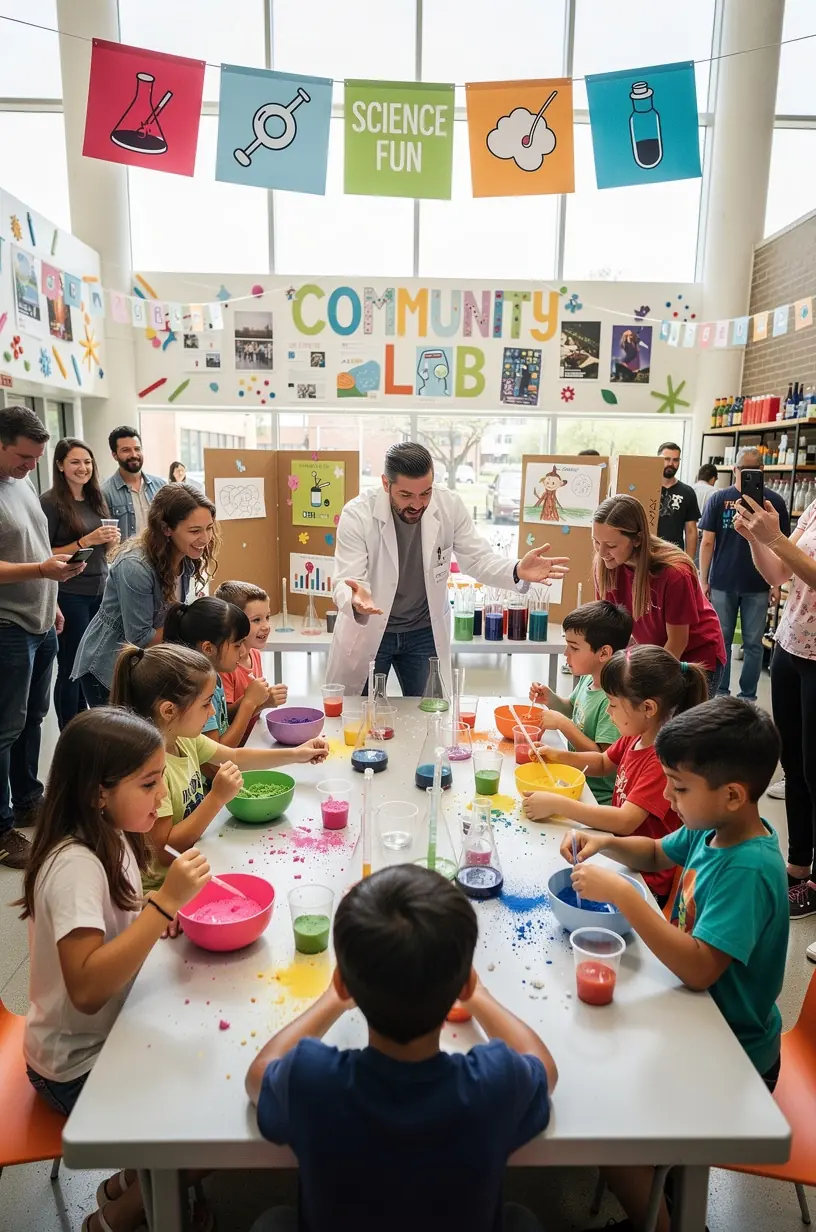
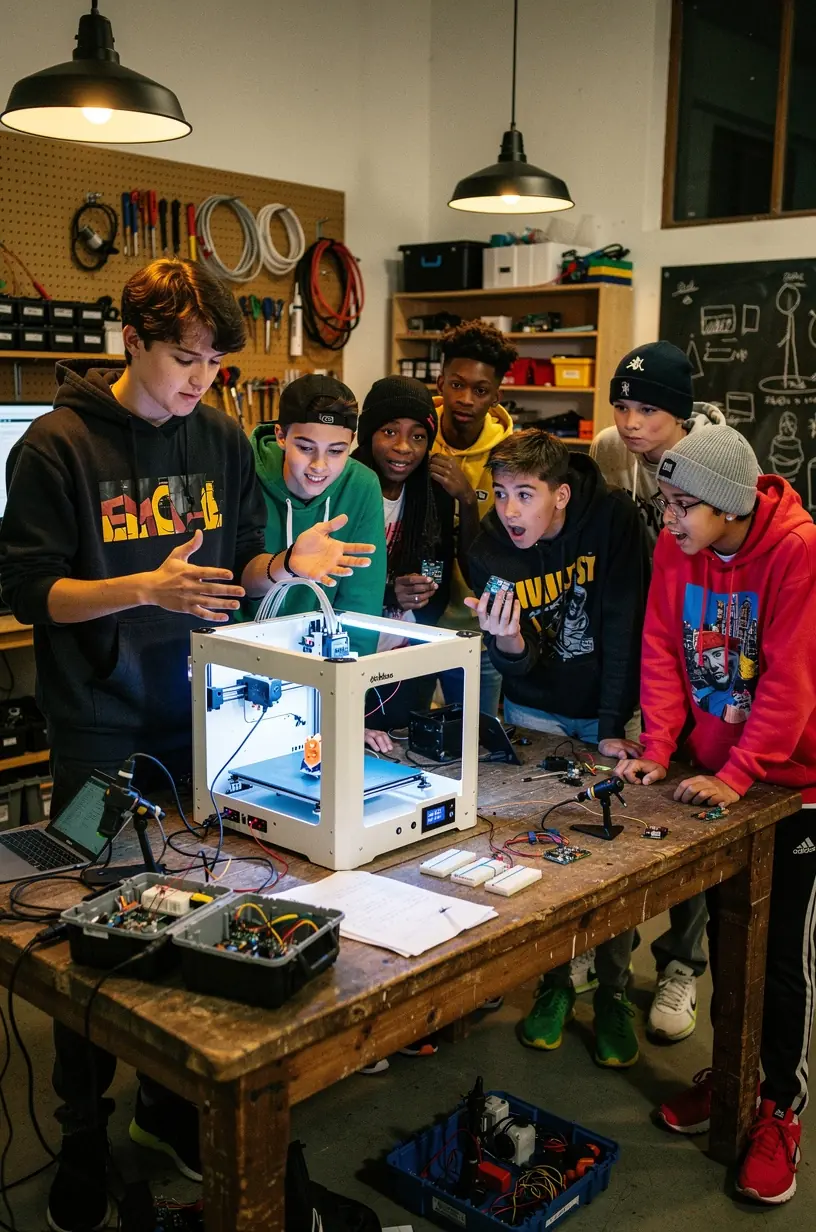
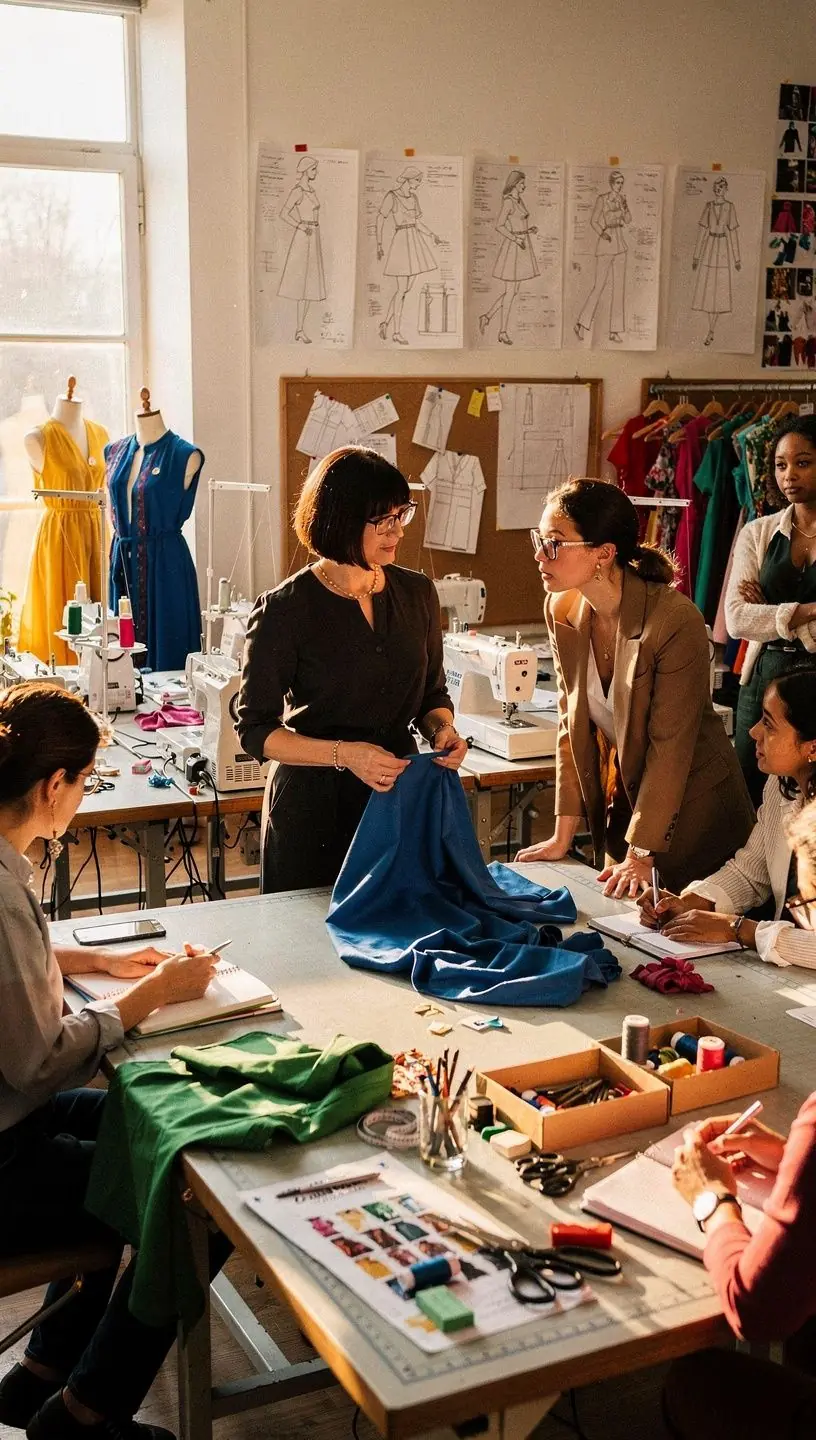
Participating in or organizing community DIY workshops can foster a sense of shared responsibility toward sustainable crafting. These workshops can focus on skills such as sewing, woodworking, or paper crafting, allowing participants to learn from each other while using sustainably sourced materials. Experts suggest that collaborative efforts can enhance motivation and creativity.
Challenges and Considerations
While sustainable crafting offers numerous benefits, it also presents challenges. For those looking to get started:
- Time Commitment: Developing skills in sustainable crafting can typically take several weeks. Patience and practice are essential.
- Initial Investment: Sourcing quality sustainable materials may require a higher initial investment, although costs often balance out over time.
- Learning Curve: Many sustainable techniques, like natural dyeing or woodworking, involve a learning curve and may necessitate prior knowledge.
Conclusion
Embracing sustainable crafting is not just a trend; it is a step towards a more environmentally friendly lifestyle. By focusing on reducing, reusing, and recycling, crafters can significantly lower their environmental impact while enjoying the creative process. While challenges exist, the rewards, such as cultivating a sense of community and personal satisfaction, often outweigh the difficulties. As sustainable practices become more prominent, DIY hobbyists in Latvia have a unique opportunity to lead the way in environmentally conscious crafting.
Learn More